
Tokyo Game Show 2024
A full show-floor feature moving from student projects and indie games to global exhibitors, Polish studios, platform holders, and the strange theatre of a Japanese game event after the pandemic.
Writing Portfolio
Selected original PSX Extreme manuscripts: event reports, interviews, Japanese game history, technology and market analysis, reviews, and feature articles.
Two selected excerpts from each manuscript are included as writing samples. The full articles remain with PSX Extreme.
The publication behind the byline

Founded in September 1997, PSX Extreme has remained in print through the collapse of Poland’s specialist games-press market. The magazine describes itself as Poland’s last monthly magazine about video games. As one of its longest-serving editors, I write within a living editorial practice: reporting, criticism, interviews, and long-form cultural writing for a real print readership.
 Gamemusic.pl · podcastZagłada ludzkości zaklęta w muzyceA conversation about music in games, soundtracks, atmosphere, and memory with the Gamemusic.pl community.Watch on YouTube
 PSX Extreme: The MovieA documentary marking 25 years of the magazine and the community that has grown around it. Watch on YouTube
Baseline checked July 2026. The current issue count is based on the magazine’s official community and issue listing.
Redakcja stojąca za podpisem
Założony we wrześniu 1997 roku PSX Extreme przetrwał na papierze okres, w którym polski rynek specjalistycznej prasy growej niemal całkowicie zniknął. Sam magazyn określa się jako ostatni w Polsce miesięcznik o grach wideo. Jako jeden z najdłużej pracujących redaktorów współtworzę tę żywą praktykę redakcyjną: reportaż, krytykę, wywiady i dłuższą publicystykę dla rzeczywistych czytelników wydania papierowego.
Gamemusic.pl · podcastZagłada ludzkości zaklęta w muzyceRozmowa ze społecznością Gamemusic.pl o muzyce w grach, ścieżkach dźwiękowych, atmosferze i pamięci.Obejrzyj na YouTube
PSX Extreme: The MovieDokument z okazji 25 lat magazynu i społeczności, która wokół niego wyrosła. Obejrzyj na YouTube
Punkt odniesienia sprawdzony w lipcu 2026 r. Bieżący numer wynika z oficjalnej listy społeczności i wydań magazynu.
Writing archive
I have written for PSX Extreme under the name Mazzi for many years. The archive includes reports from Tokyo Game Show, interviews with developers, reviews, and articles about Japanese games, hardware, media, and everyday life.
This page presents selected photographs, printed spreads, short descriptions, and excerpts from the original Polish manuscripts. The complete articles are not reproduced here.
Archiwum tekstów
Od wielu lat piszę dla PSX Extreme jako Mazzi. W archiwum znajdują się relacje z Tokyo Game Show, wywiady z twórcami, recenzje oraz artykuły o japońskich grach, sprzęcie, mediach i codziennym życiu.
Na tej stronie prezentuję wybrane fotografie, rozkładówki, krótkie opisy oraz fragmenty oryginalnych polskich rękopisów. Pełne artykuły nie są tutaj przedrukowywane.
From the printed page
One comes from the 2011 feature Gracz w Tokio. The other is a page from the article Cosy Games: Gry, które pozwalają odetchnąć, published in issue 327.
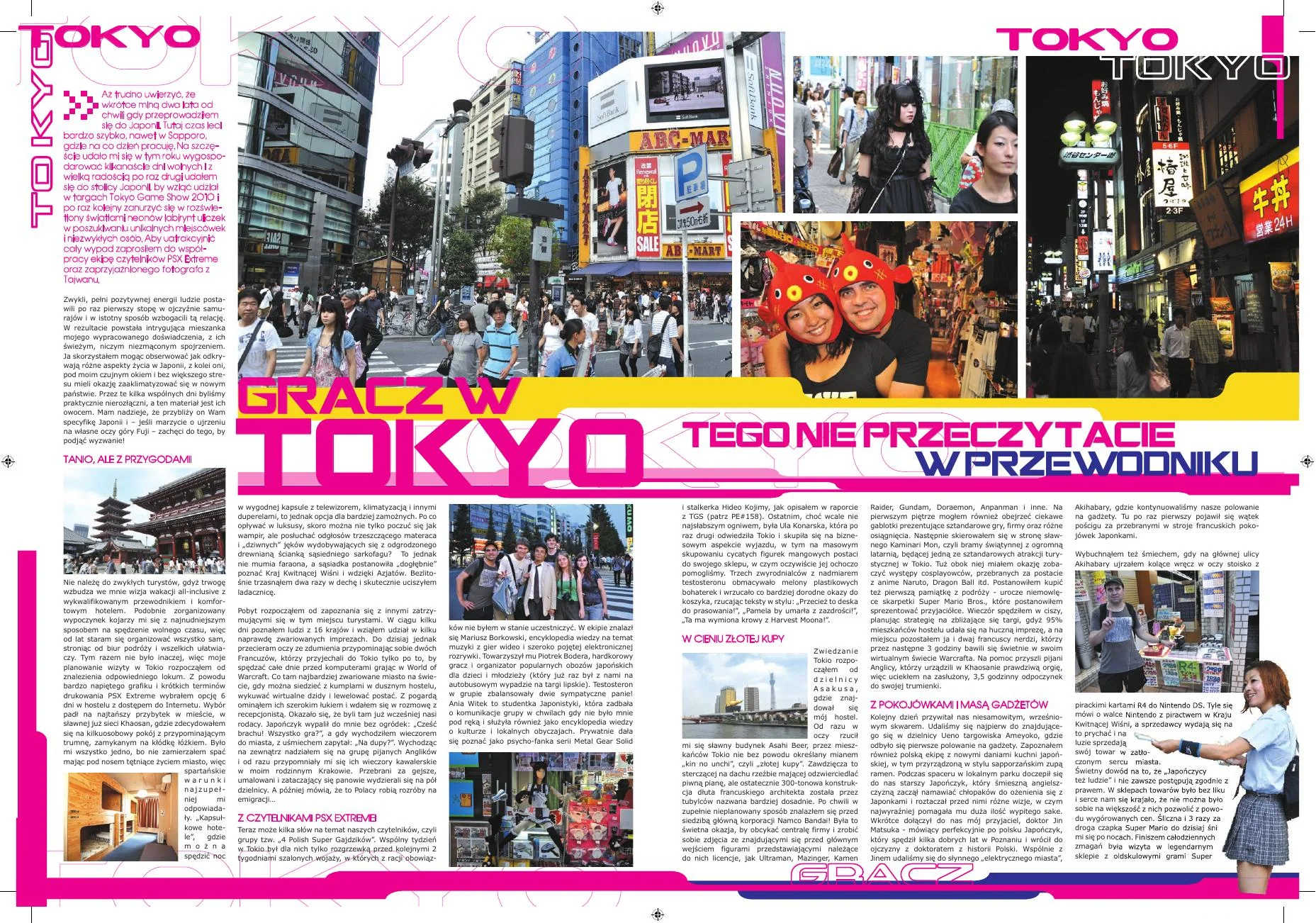
A feature about travelling through Tokyo, illustrated with photographs from the city.
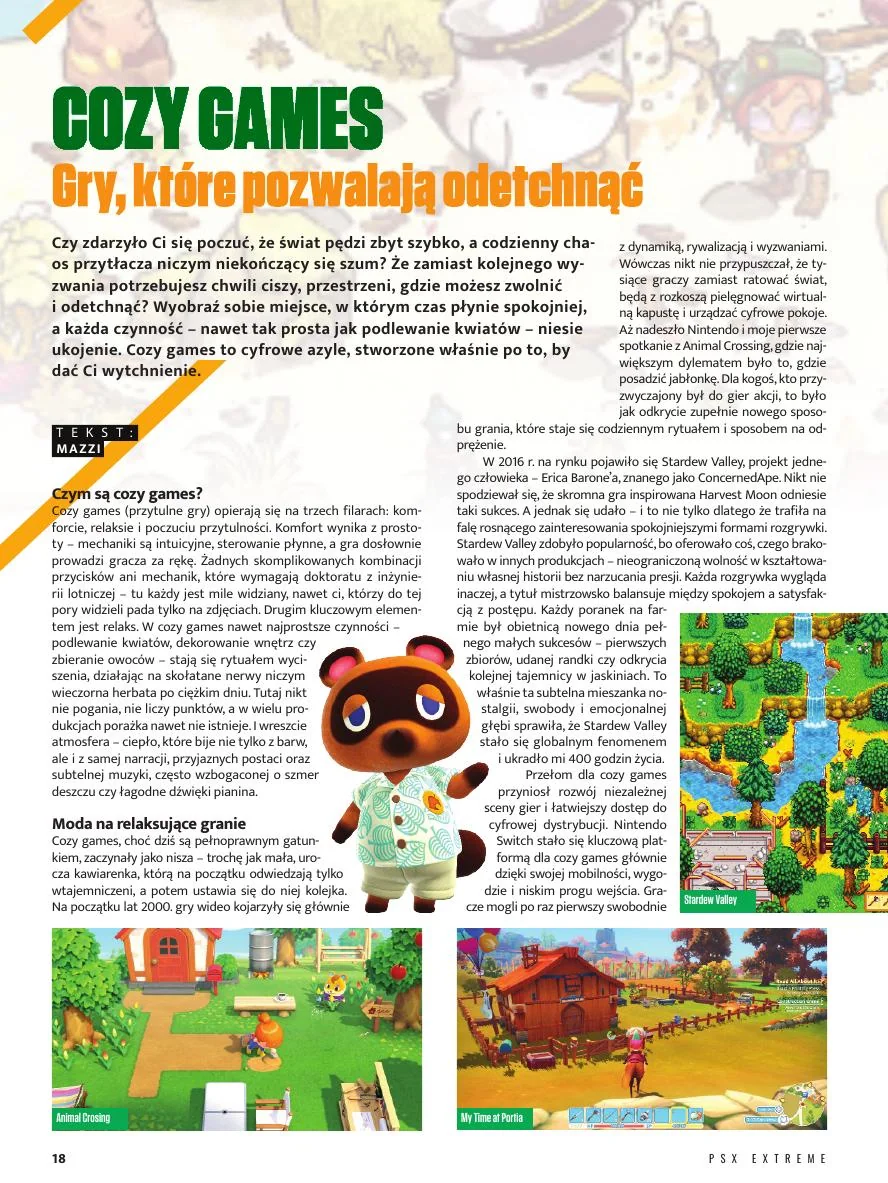
An article about comfort, routine, stress relief, and the growing popularity of cosy games.
Z łamów
Pierwsza pochodzi z tekstu „Gracz w Tokio” z 2011 roku. Druga to strona artykułu „Cosy Games: Gry, które pozwalają odetchnąć”, opublikowanego w numerze 327.
Tekst o podróży przez Tokio, ilustrowany fotografiami z miasta.
Artykuł o komforcie, codziennych rytuałach, odpoczynku od stresu i rosnącej popularności cosy games.
Field notes
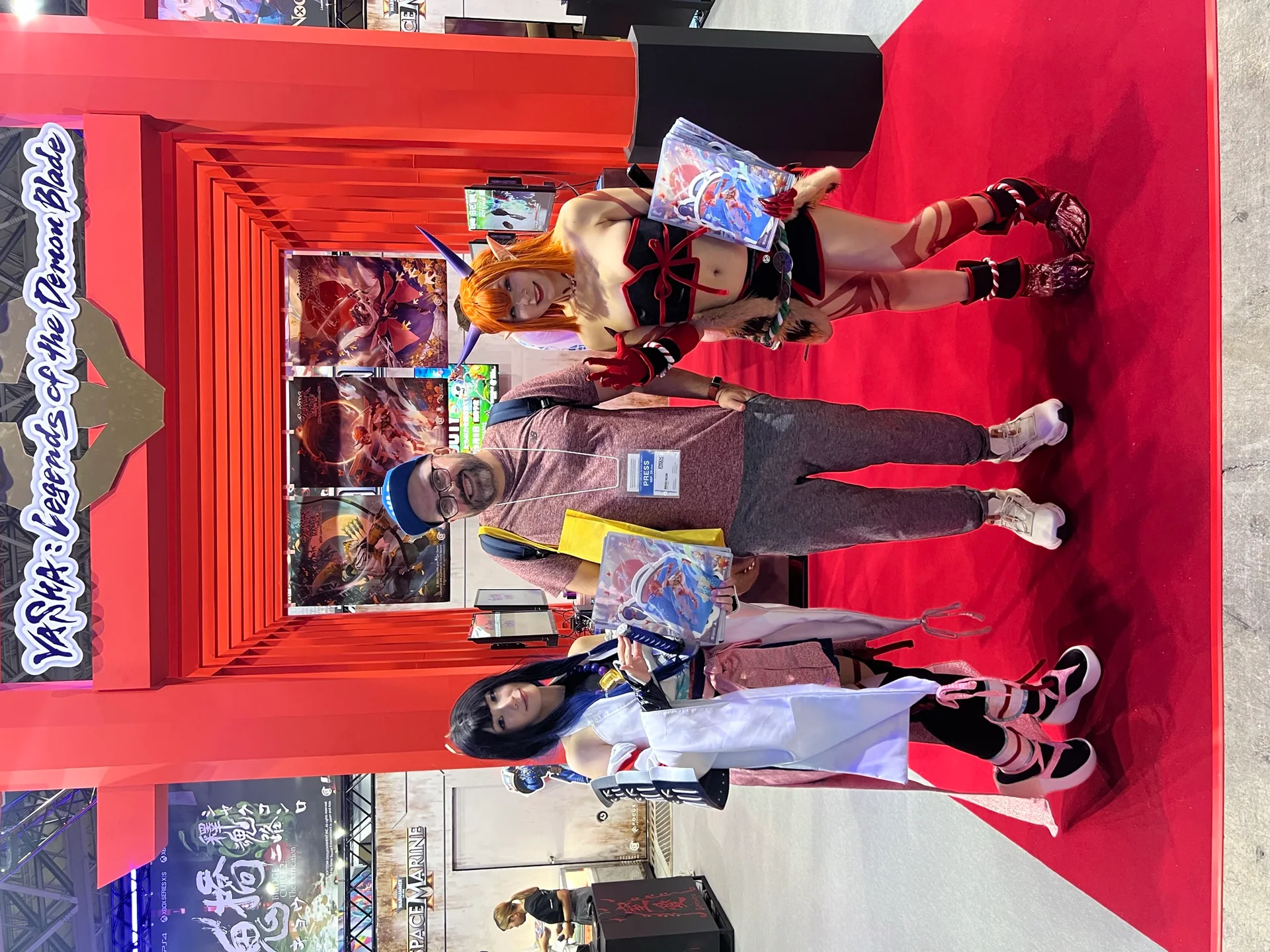
Photographs from reporting visits: a 2011 press pass, a playtest of the independent game Tokyo Stories, and a later visit to a Persona booth.
Notatki z terenu
Fotografie z wyjazdów reporterskich: akredytacja z 2011 roku, test niezależnej gry Tokyo Stories oraz późniejsza wizyta przy stoisku serii Persona.
Press interviews
Selected photographs from press visits and interviews conducted for PSX Extreme.
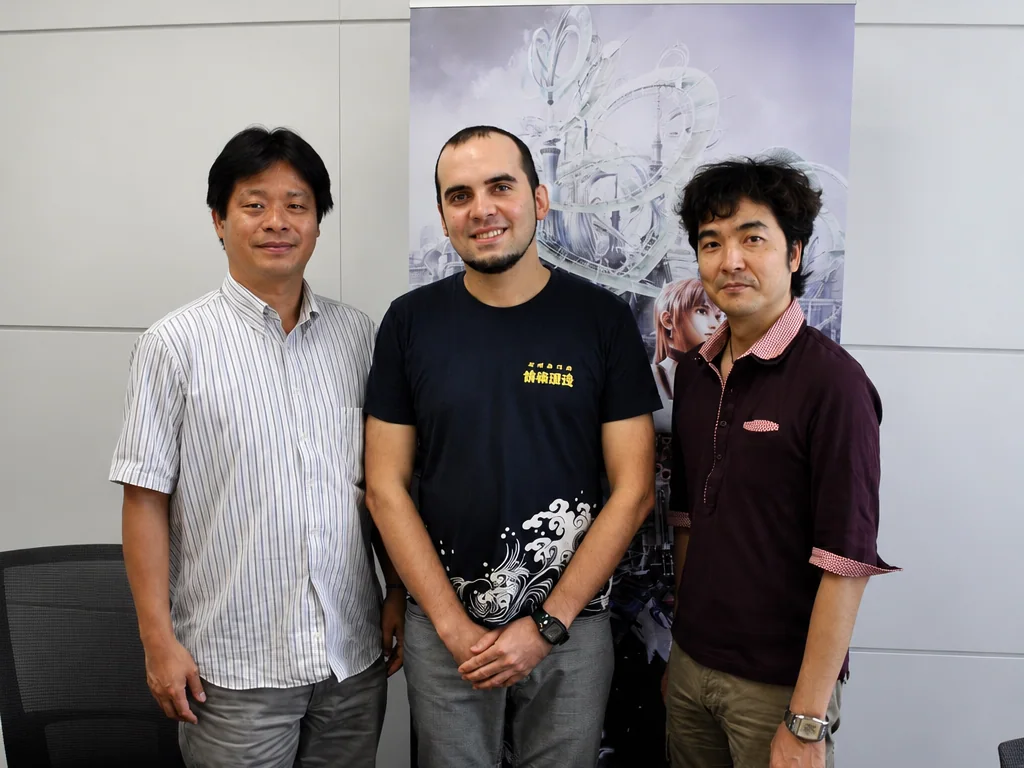
A press visit about an upcoming Final Fantasy instalment, with producer Yoshinori Kitase and director Motomu Toriyama.
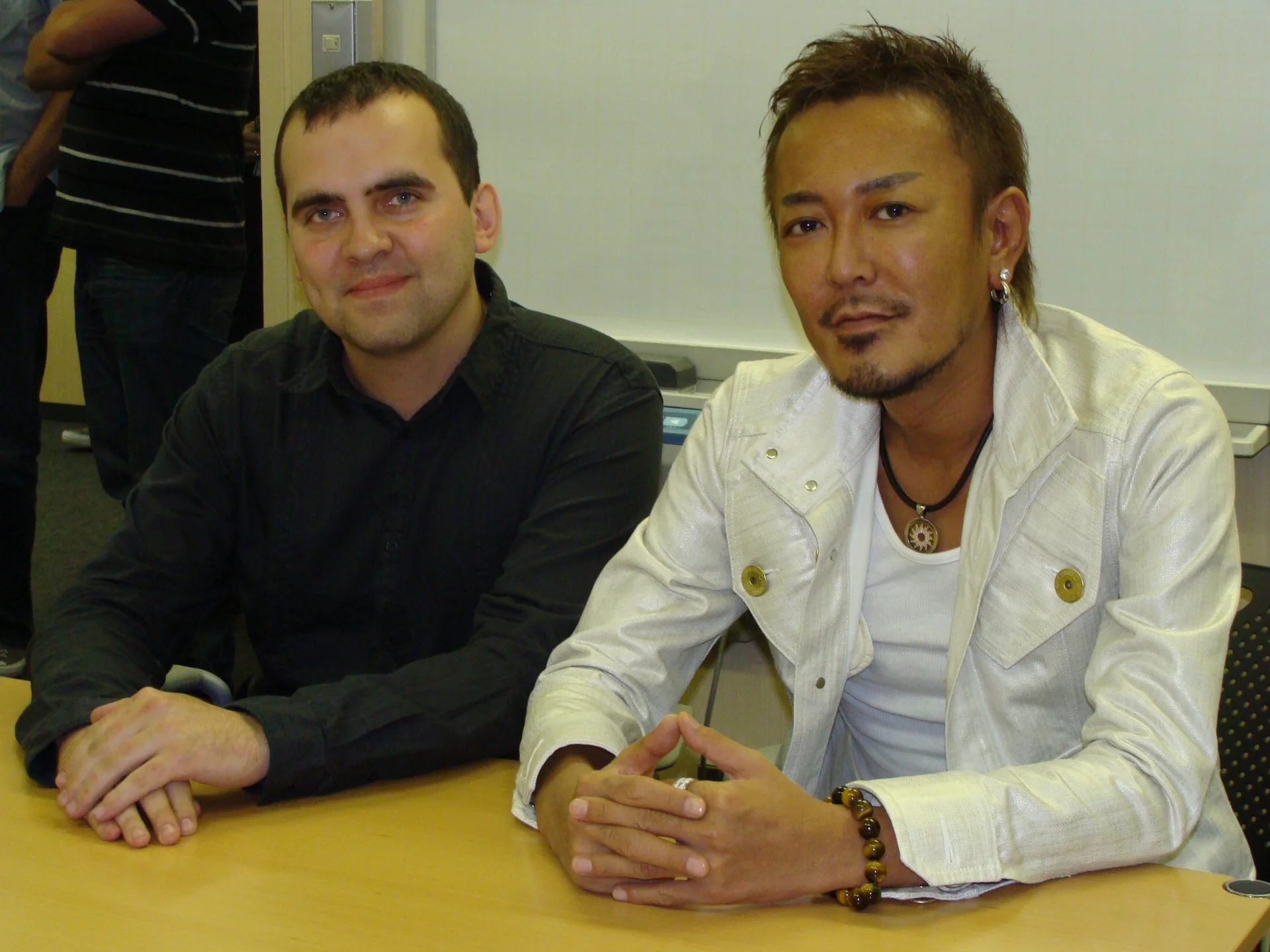
An interview with the creator of the Yakuza / Like a Dragon series.
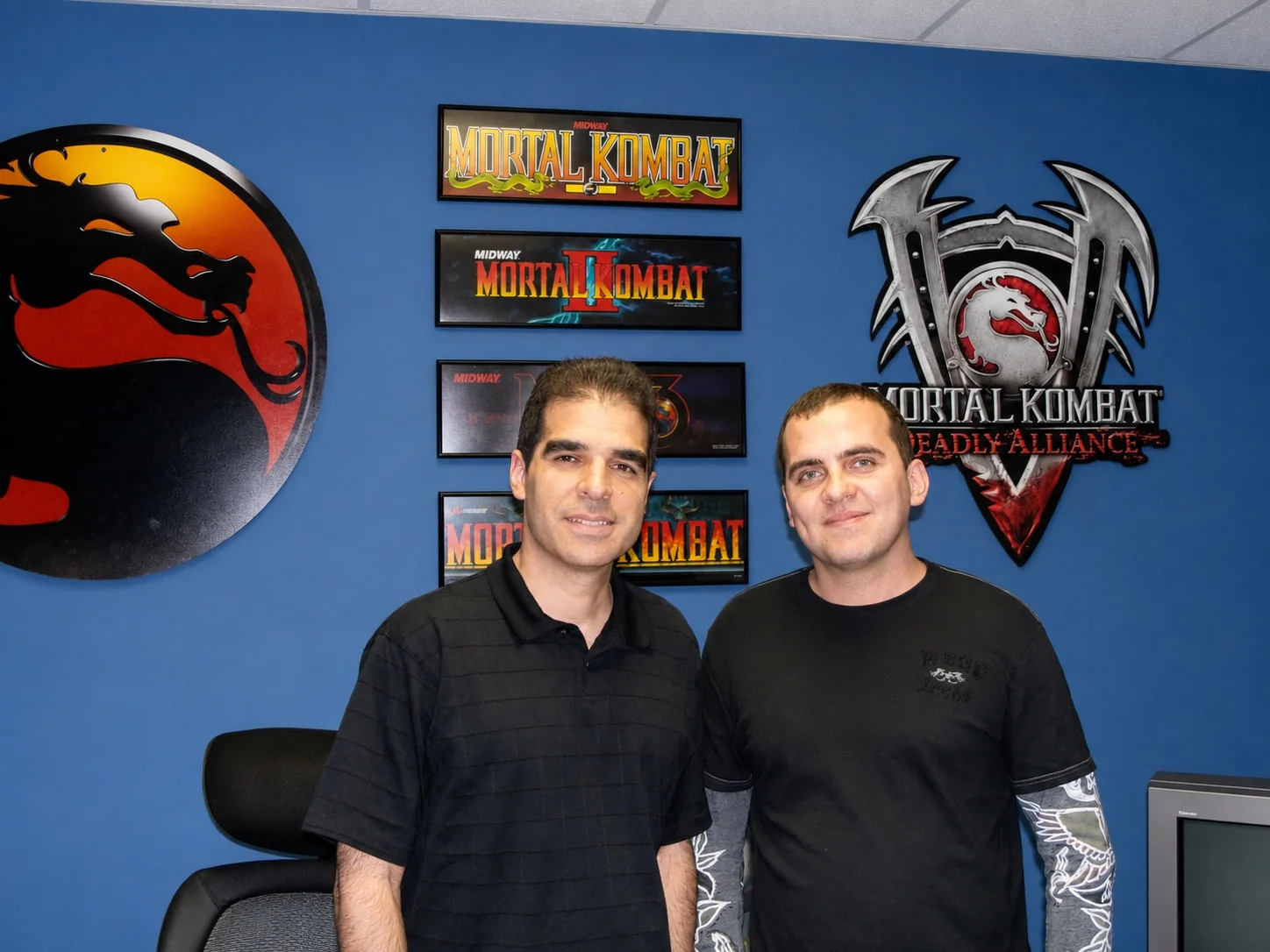
A press interview before the release of Mortal Kombat vs. DC Universe.
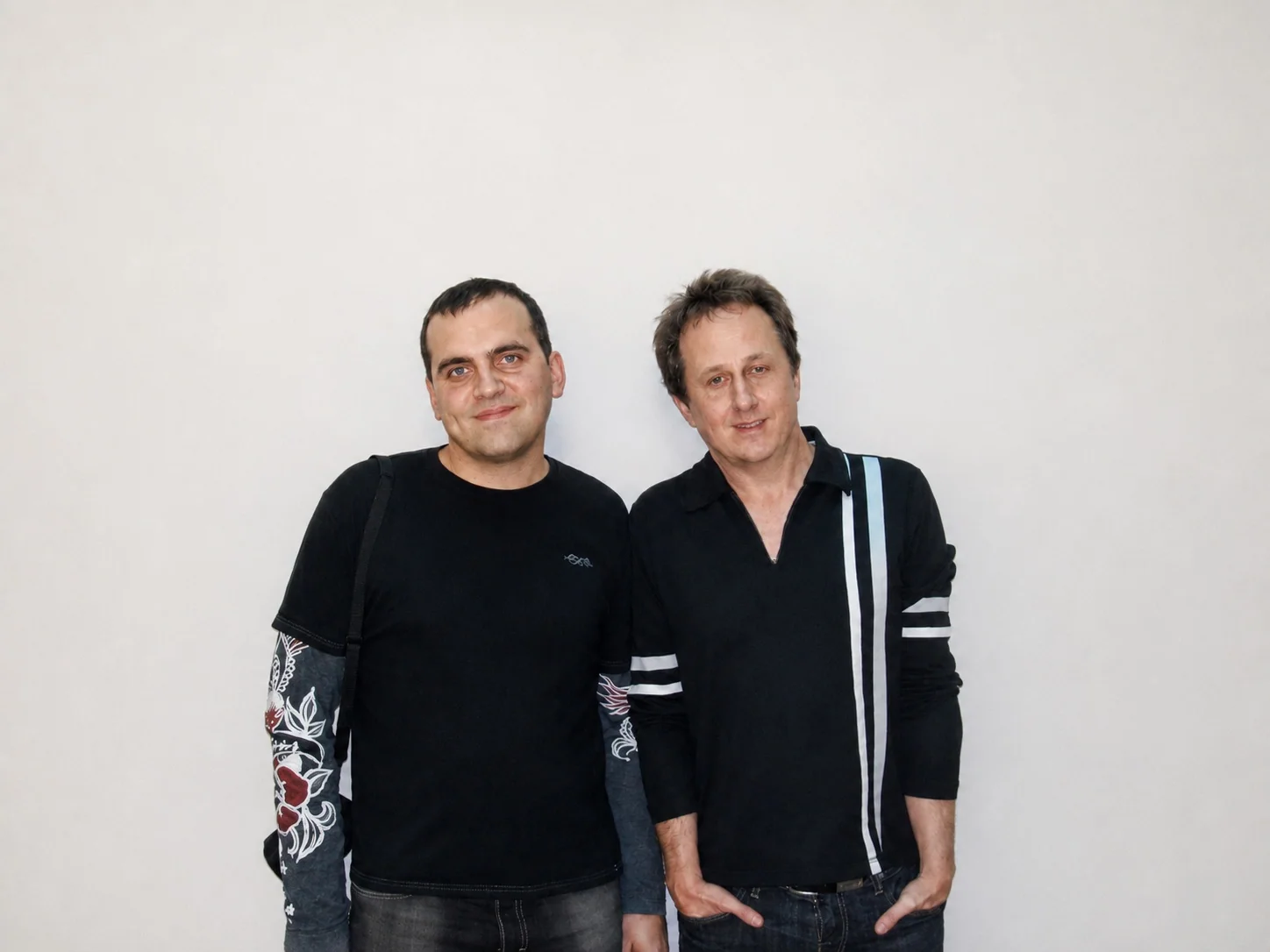
A meeting with the lead designer and programmer of NBA Jam, NFL Blitz, and Smash TV.
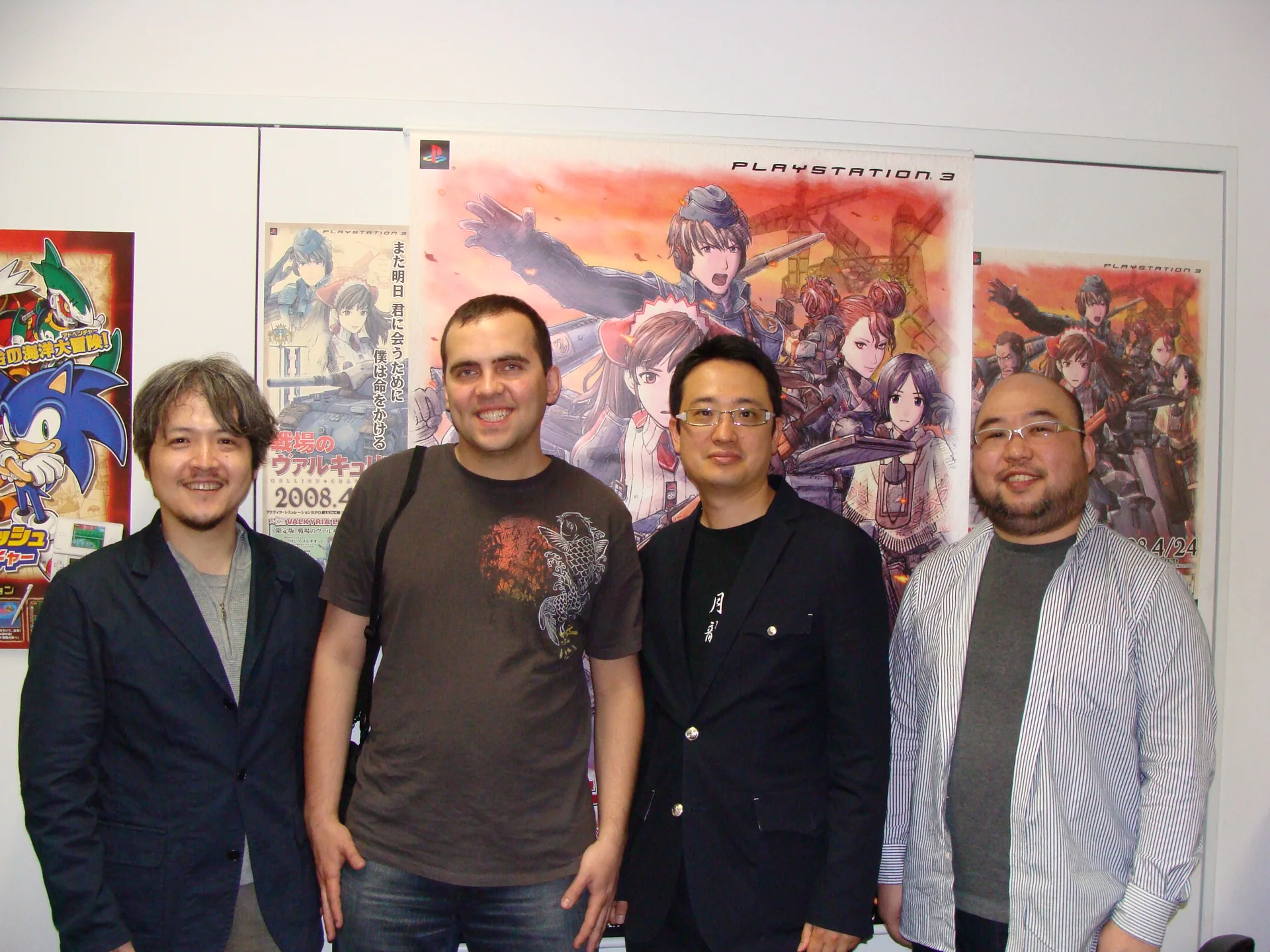
Behind the scenes at Sega: discussing tactical RPGs with Shuntaro Tanaka, Takeshi Ozawa, and Ryutaro Nonaka of the Valkyria Chronicles development team.
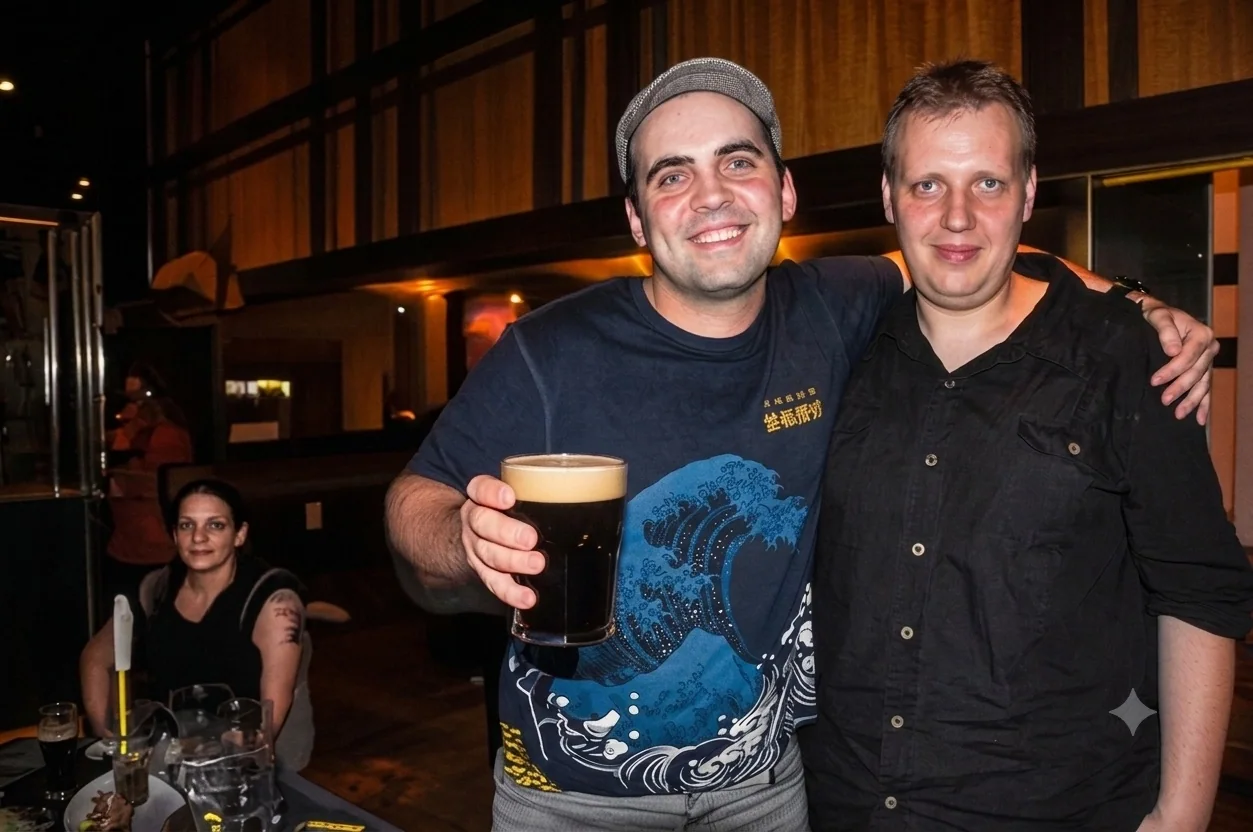
An early conversation with the Kraków studio leader. Bloober Team would later become known internationally for Layers of Fear, Observer, The Medium, and the remake of Silent Hill 2.
Wywiady prasowe
Wybrane fotografie z wizyt prasowych i wywiadów przeprowadzonych dla PSX Extreme.
Wizyta prasowa poświęcona nadchodzącej odsłonie Final Fantasy, z producentem Yoshinorim Kitase i reżyserem Motomu Toriyamą.
Wywiad z twórcą serii Yakuza / Like a Dragon.
Wywiad prasowy przed premierą Mortal Kombat vs. DC Universe.
Spotkanie z głównym projektantem i programistą NBA Jam, NFL Blitz oraz Smash TV.
Za kulisami Sega: rozmowa o taktycznych RPG-ach z Shuntaro Tanaką, Takeshim Ozawą i Ryutaro Nonaką z zespołu tworzącego Valkyria Chronicles.
Wczesna rozmowa z liderem krakowskiego studia. Bloober Team zasłynął później na świecie grami Layers of Fear, Observer, The Medium oraz remake’iem Silent Hill 2.
 PRESS PASS
Fictionalised interactive story
inspired by Tokyo Game Show reports
Interactive story
A five-minute, replayable field-reporting story inspired by several Tokyo Game Show notebooks. You have one badge, four hours, and more possible stories than you can possibly follow.
This fictional story uses motifs from published Tokyo Game Show reports. It is not a reconstruction of one particular day.
PRESS PASSFabularyzowana opowieść interaktywna
inspirowana relacjami z Tokyo Game Show
Opowieść interaktywna
Pięciominutowa opowieść z terenu, do której można wielokrotnie wracać, inspirowana kilkoma notatnikami z Tokyo Game Show. Masz jeden identyfikator, cztery godziny i więcej historii, niż da się naprawdę śledzić naraz.
Ta fikcyjna opowieść wykorzystuje motywy z opublikowanych relacji z Tokyo Game Show. Nie jest rekonstrukcją jednego konkretnego dnia.
Books & longer-form writing
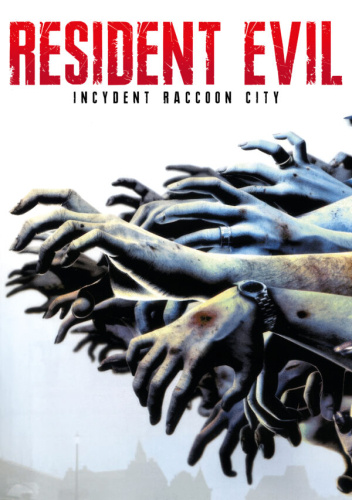
The Polish collective volume includes my essay “Wyspy strachu” (“Islands of Fear”), devoted to the Japanese roots and cultural themes of Resident Evil.
View book details and reader reviewsReview of “Wyspy strachu” (“Islands of Fear”): “One of the strongest points of the volume, for me, is an attempt to read Resident Evil as a deeply Japanese game despite all its American scenery. Underneath, however, something else pulses: fear of a system that was meant to protect but failed; of contamination that cannot be ritually cleansed; of technology that was supposed to prove progress but became an instrument of collapse. Raccoon City then begins to look not like a random city from a game, but like a model of a civilisation that, only a moment earlier, believed in its procedures.”
Swiatowid on Lubimyczytać · 1 June 2026
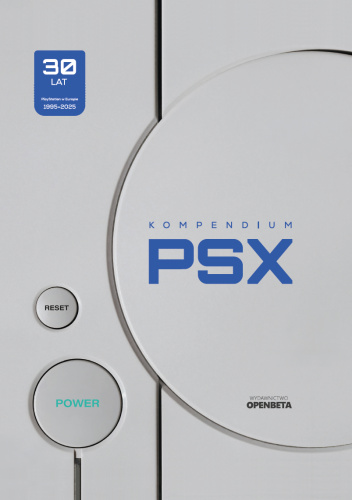
This 384-page volume, published for the 30th anniversary of the original PlayStation’s European release, includes my writing on the console and its games.
View the book at Open BetaReview: “The book reads with pleasure and a huge dose of nostalgia.”
Zapach Papieru · 21 November 2025
Książki i dłuższe formy
W polskim tomie zbiorowym znalazł się mój esej „Wyspy strachu”, poświęcony japońskim korzeniom i kulturowym motywom serii Resident Evil.
Zobacz szczegóły książki i opinie czytelnikówO eseju „Wyspy strachu”: „Dla mnie jednym z najmocniejszych punktów tomu są „Wyspy strachu”, czyli próba przeczytania Resident Evil jako gry głęboko japońskiej, mimo całej jej amerykańskiej scenografii. Tymczasem pod spodem pulsuje coś innego: lęk przed systemem, który miał chronić, ale zawiódł; przed skażeniem, którego nie da się rytualnie oczyścić; przed technologią, która miała być dowodem postępu, a stała się narzędziem rozpadu. Raccoon City zaczyna wtedy wyglądać nie jak przypadkowe miasto z gry, ale jak model cywilizacji, która jeszcze chwilę temu wierzyła w swoje procedury.”
Swiatowid, Lubimyczytać · 1 czerwca 2026
Ten 384-stronicowy tom, wydany z okazji 30. rocznicy europejskiej premiery pierwszego PlayStation, zawiera moje teksty o konsoli i jej grach.
Zobacz książkę u wydawcy Open BetaRecenzja: „Przez lekturę brnie się z przyjemnością i ogromną dawką nostalgii”.
Zapach Papieru · 21 listopada 2025
Key articles
Four selected texts: a 2024 Tokyo Game Show report and articles about the Amiga in Japan, Japan-only PlayStation games, and the launch of the Super Famicom.
A full show-floor feature moving from student projects and indie games to global exhibitors, Polish studios, platform holders, and the strange theatre of a Japanese game event after the pandemic.
A history of why the Amiga never reached the Japanese market in the same way it did Europe, connecting distribution, local competition, Japanese-language support, marketing, and media culture.
"Choć Amiga odniosła rewolucyjny sukces na rynkach europejskich, jej obecność w Japonii nigdy nie osiągnęła podobnej popularności. Jej historia w Kraju Kwitnącej Wiśni jest stosunkowo mało znana. Commodore, będąc globalną firmą z oddziałami na całym świecie, w tym w Wielkiej Brytanii, Australii, Francji i Japonii, miało niezależnie zarządzać lokalnym marketingiem, zakupami, a czasem nawet projektowaniem, we współpracy z kolegami z USA. Jednakże, początkowy sukces modelu VIC-20 (w Japonii znanego jako VIC-1001) nie przetrwał długo."
Excerpt 02 · A cultural afterlife
"Mimo nierównych szans Amiga miała swoje pięć minut w lokalnym show-biznesie, głównie za sprawą animacji stworzonych w programach Deluxe Paint i LightWave 3D w latach 1992–94. Wykorzystywano je w popularnym programie telewizyjnym Ugo Ugo Ruga – kultowej audycji dla dzieci, emitowanej codziennie rano przez Fuji Television. Program prowadziła dwójka dzieci, Ugo Ugo-kun i Ruga-chan, a scenografię oraz postacie drugoplanowe tworzono na Amidze."
From the original Polish PSX Extreme manuscript.
A guide to Japanese PlayStation titles that never reached Western audiences, using horror, adventure, visual style, folklore, and localisation history to explain why certain games became cult objects.
"W latach 90 Japonia była prawdziwą kuźnią innowacji w branży gier. Twórcy odważnie eksperymentowali z formą, gatunkami i narracją, tworząc produkcje, które do dziś fascynują krytyków. Niektóre z tych gier były na tyle unikalne, że wydawcy nie widzieli sensu ich lokalizacji, obawiając się, że zachodnia publiczność może nie zrozumieć ich przekazu. Tymczasem wiele z tych niszowych tytułów zyskało kultowy status."
Excerpt 02 · Close reading
"Jednym z najciekawszych aspektów Twilight Syndrome było wykorzystanie realistycznych fotografii jako tła dla postaci 2D, co nadawało grze specyficzny, niemal dokumentalny charakter. W połączeniu z minimalistyczną oprawą dźwiękową i oszczędnym wykorzystaniem efektów specjalnych gra subtelnie budowała uczucie niepokoju. Produkcja poruszała także poważne tematy: traumę, izolację i konsekwencje naszych działań."
From the original Polish PSX Extreme manuscript.
A richly narrated account of the Super Famicom launch, its queues and social impact, and the cultural differences between the Japanese Super Famicom and the Western SNES.
"21 listopada 1990 roku Tokio obudziło się nie tyle ze snu, co z letargu czekania. Gdy pierwsze promienie słońca przebiły się przez smog wielkiego miasta, tysiące graczy już dawno stało w kolejkach, czekając na szare, niepozorne pudełko, z kolorowym logo i przyszłością zamkniętą w plastiku. Premiera Super Famicoma, następcy kultowego Famicoma, przeszła do historii jako tzw. „Super Famicom Shock”. Jeszcze zanim pierwsze pociągi wjechały na perony tokijskiego metra, tłumy już blokowały chodniki, przejścia podziemne i wejścia do centrów handlowych."
Excerpt 02 · A lost media future
"Ale prawdziwym objawieniem był Satellaview – przystawka, która zamieniała Super Famicoma w odbiornik satelitarny. Gry, magazyny, audycje – wszystko transmitowane z orbity. Wśród nich legendarne SoundLinki: wydarzenia na żywo z narracją czytaną w czasie rzeczywistym, zsynchronizowaną z akcją na ekranie. W specjalnych odsłonach Zeldy gracze doświadczali interwencji „głosu z nieba”, który w tych samych momentach udzielał wszystkim wskazówek lub obdarzał ich specjalnymi mocami."
From the original Polish PSX Extreme manuscript.
An extended feature on comfort, ritual, emotional regulation, social media, lo-fi aesthetics, and the growing cultural role of games that offer relief rather than competition.
"Czy zdarzyło Ci się poczuć, że świat pędzi zbyt szybko, a codzienny chaos przytłacza niczym niekończący się szum? Że zamiast kolejnego wyzwania potrzebujesz chwili ciszy, przestrzeni, gdzie możesz zwolnić i odetchnąć? Wyobraź sobie miejsce, w którym czas płynie spokojniej, a każda czynność – nawet tak prosta jak podlewanie kwiatów – niesie ukojenie. Cosy games to cyfrowe azyle, stworzone właśnie po to, by dać Ci wytchnienie. Cosy games (przytulne gry) opierają się na trzech filarach: komforcie, relaksie i poczuciu przytulności. Komfort wynika z prostoty – mechaniki są intuicyjne, sterowanie płynne, a gra dosłownie prowadzi gracza za rękę."
Excerpt 02 · Ritual and control
"Są też dni, kiedy zmęczenie osiada na barkach jak ołowiana warstwa, a myśli przestają nadążać za kolejnymi obowiązkami. Wtedy idealnym rozwiązaniem stają się gry oferujące prostotę i rytuał. Stardew Valley uspokaja swoją cyklicznością: sianie, podlewanie roślin, zbieranie plonów czy rozmowy z mieszkańcami miasteczka pozwalają choć na chwilę zapomnieć o świecie poza ekranem. Podobnie działa Unpacking, gdzie rozpakowywanie pudeł i układanie przedmiotów tworzy iluzję porządku – gesty tak małe i zwyczajne, a jednak dające poczucie kontroli w codziennym chaosie."
From the original Polish PSX Extreme manuscript.
A review and cultural reading of a game set in a Tokyo café, using its conversations about work, loneliness, grief, and care to examine the emotional texture of contemporary Japanese life.
"Znasz ten moment, kiedy wieczorem odpalasz konsolę i dociera do ciebie, że nie masz już siły ratować świata, a marzysz tylko o tym, żeby spokojnie się wyciszyć? W świecie bombardującym nas bodźcami z każdej strony, z pomocą przychodzi niezawodna seria Coffee Talk, tym razem zapraszając nas do Japonii. Po latach spędzonych w deszczowym Seattle, seria przenosi swój unikalny mikroklimat w sam środek tokijskiej metropolii. Blask podmiejskich neonów, cierpki zapach parzonej matchy i zmęczeni salarymani goniący za ostatnim metrem – ta zmiana scenerii tchnęła w markę nowe życie, nie niszcząc jej nastrojowej esencji."
Excerpt 02 · Work and ordinary lives
"Zamiast epickich herosów do naszej kawiarni przychodzą zwykli ludzie – oraz elfy czy wyciągnięte prosto z azjatyckiego folkloru yokaje – zmagający się z prozą życia. Scenarzyści serwują historie o uderzającej, przyziemnej elegancji. Rozmawiamy o trudzie budowania relacji, ale też o sprawach cięższego kalibru: podnoszeniu się z dna czy bolesnym bilansie po przejściu na emeryturę, gdy całe życie oddało się korporacji."
From the original Polish PSX Extreme manuscript.
Kluczowe artykuły
Cztery wybrane teksty: relacja z Tokyo Game Show 2024 oraz artykuły o Amidze w Japonii, japońskich grach na PlayStation i premierze Super Famicoma.
Pełna relacja z hali targowej: od projektów studenckich i gier niezależnych po globalnych wystawców, polskie studia, właścicieli platform i osobliwy teatr japońskich targów po pandemii.
Historia tego, dlaczego Amiga nie zdobyła w Japonii takiej pozycji jak w Europie, łącząca dystrybucję, lokalną konkurencję, obsługę języka japońskiego, marketing i kulturę mediów.
"Choć Amiga odniosła rewolucyjny sukces na rynkach europejskich, jej obecność w Japonii nigdy nie osiągnęła podobnej popularności. Jej historia w Kraju Kwitnącej Wiśni jest stosunkowo mało znana. Commodore, będąc globalną firmą z oddziałami na całym świecie, w tym w Wielkiej Brytanii, Australii, Francji i Japonii, miało niezależnie zarządzać lokalnym marketingiem, zakupami, a czasem nawet projektowaniem, we współpracy z kolegami z USA. Jednakże, początkowy sukces modelu VIC-20 (w Japonii znanego jako VIC-1001) nie przetrwał długo."
Fragment 02 · Kulturowe drugie życie
"Mimo nierównych szans Amiga miała swoje pięć minut w lokalnym show-biznesie, głównie za sprawą animacji stworzonych w programach Deluxe Paint i LightWave 3D w latach 1992–94. Wykorzystywano je w popularnym programie telewizyjnym Ugo Ugo Ruga – kultowej audycji dla dzieci, emitowanej codziennie rano przez Fuji Television. Program prowadziła dwójka dzieci, Ugo Ugo-kun i Ruga-chan, a scenografię oraz postacie drugoplanowe tworzono na Amidze."
Z oryginalnego polskiego rękopisu PSX Extreme.
Przewodnik po japońskich grach na PlayStation, które nie trafiły na Zachód, wykorzystujący horror, przygodę, styl wizualny, folklor i historię lokalizacji.
"W latach 90 Japonia była prawdziwą kuźnią innowacji w branży gier. Twórcy odważnie eksperymentowali z formą, gatunkami i narracją, tworząc produkcje, które do dziś fascynują krytyków. Niektóre z tych gier były na tyle unikalne, że wydawcy nie widzieli sensu ich lokalizacji, obawiając się, że zachodnia publiczność może nie zrozumieć ich przekazu. Tymczasem wiele z tych niszowych tytułów zyskało kultowy status."
Fragment 02 · Close reading
"Jednym z najciekawszych aspektów Twilight Syndrome było wykorzystanie realistycznych fotografii jako tła dla postaci 2D, co nadawało grze specyficzny, niemal dokumentalny charakter. W połączeniu z minimalistyczną oprawą dźwiękową i oszczędnym wykorzystaniem efektów specjalnych gra subtelnie budowała uczucie niepokoju. Produkcja poruszała także poważne tematy: traumę, izolację i konsekwencje naszych działań."
Z oryginalnego polskiego rękopisu PSX Extreme.
Barwnie opowiedziana historia premiery Super Famicoma, kolejek i społecznego wpływu konsoli oraz różnic między japońskim Super Famicomem a zachodnim SNES-em.
"21 listopada 1990 roku Tokio obudziło się nie tyle ze snu, co z letargu czekania. Gdy pierwsze promienie słońca przebiły się przez smog wielkiego miasta, tysiące graczy już dawno stało w kolejkach, czekając na szare, niepozorne pudełko, z kolorowym logo i przyszłością zamkniętą w plastiku. Premiera Super Famicoma, następcy kultowego Famicoma, przeszła do historii jako tzw. „Super Famicom Shock”. Jeszcze zanim pierwsze pociągi wjechały na perony tokijskiego metra, tłumy już blokowały chodniki, przejścia podziemne i wejścia do centrów handlowych."
Fragment 02 · Utracona przyszłość mediów
"Ale prawdziwym objawieniem był Satellaview – przystawka, która zamieniała Super Famicoma w odbiornik satelitarny. Gry, magazyny, audycje – wszystko transmitowane z orbity. Wśród nich legendarne SoundLinki: wydarzenia na żywo z narracją czytaną w czasie rzeczywistym, zsynchronizowaną z akcją na ekranie. W specjalnych odsłonach Zeldy gracze doświadczali interwencji „głosu z nieba”, który w tych samych momentach udzielał wszystkim wskazówek lub obdarzał ich specjalnymi mocami."
Z oryginalnego polskiego rękopisu PSX Extreme.
Rozbudowany tekst o komforcie, rytuale, regulacji emocji, mediach społecznościowych, estetyce lo-fi i rosnącej roli gier, które dają ulgę zamiast rywalizacji.
"Czy zdarzyło Ci się poczuć, że świat pędzi zbyt szybko, a codzienny chaos przytłacza niczym niekończący się szum? Że zamiast kolejnego wyzwania potrzebujesz chwili ciszy, przestrzeni, gdzie możesz zwolnić i odetchnąć? Wyobraź sobie miejsce, w którym czas płynie spokojniej, a każda czynność – nawet tak prosta jak podlewanie kwiatów – niesie ukojenie. Cosy games to cyfrowe azyle, stworzone właśnie po to, by dać Ci wytchnienie. Cosy games (przytulne gry) opierają się na trzech filarach: komforcie, relaksie i poczuciu przytulności. Komfort wynika z prostoty – mechaniki są intuicyjne, sterowanie płynne, a gra dosłownie prowadzi gracza za rękę."
Fragment 02 · Rytuał i kontrola
"Są też dni, kiedy zmęczenie osiada na barkach jak ołowiana warstwa, a myśli przestają nadążać za kolejnymi obowiązkami. Wtedy idealnym rozwiązaniem stają się gry oferujące prostotę i rytuał. Stardew Valley uspokaja swoją cyklicznością: sianie, podlewanie roślin, zbieranie plonów czy rozmowy z mieszkańcami miasteczka pozwalają choć na chwilę zapomnieć o świecie poza ekranem. Podobnie działa Unpacking, gdzie rozpakowywanie pudeł i układanie przedmiotów tworzy iluzję porządku – gesty tak małe i zwyczajne, a jednak dające poczucie kontroli w codziennym chaosie."
Z oryginalnego polskiego rękopisu PSX Extreme.
Recenzja i odczytanie kulturowe gry osadzonej w tokijskiej kawiarni, wykorzystujące rozmowy o pracy, samotności, żałobie i trosce do analizy emocjonalnej faktury współczesnego życia.
"Znasz ten moment, kiedy wieczorem odpalasz konsolę i dociera do ciebie, że nie masz już siły ratować świata, a marzysz tylko o tym, żeby spokojnie się wyciszyć? W świecie bombardującym nas bodźcami z każdej strony, z pomocą przychodzi niezawodna seria Coffee Talk, tym razem zapraszając nas do Japonii. Po latach spędzonych w deszczowym Seattle, seria przenosi swój unikalny mikroklimat w sam środek tokijskiej metropolii. Blask podmiejskich neonów, cierpki zapach parzonej matchy i zmęczeni salarymani goniący za ostatnim metrem – ta zmiana scenerii tchnęła w markę nowe życie, nie niszcząc jej nastrojowej esencji."
Fragment 02 · Praca i zwyczajne życie
"Zamiast epickich herosów do naszej kawiarni przychodzą zwykli ludzie – oraz elfy czy wyciągnięte prosto z azjatyckiego folkloru yokaje – zmagający się z prozą życia. Scenarzyści serwują historie o uderzającej, przyziemnej elegancji. Rozmawiamy o trudzie budowania relacji, ale też o sprawach cięższego kalibru: podnoszeniu się z dna czy bolesnym bilansie po przejściu na emeryturę, gdy całe życie oddało się korporacji."
Z oryginalnego polskiego rękopisu PSX Extreme.
主な記事
東京ゲームショウ2024、日本におけるAmiga、海外未発売のPlayStation作品、Super Famicomの発売を扱った4本です。
PSX Extreme は1997年創刊のポーランドの月刊ゲーム・ポップカルチャー誌です。私はMazzi名義で、レポート、レビュー、インタビュー、日本のゲームやメディアに関する記事を執筆してきました。
このページでは、東京ゲームショウの取材、日本のゲーム開発者へのインタビュー、ハードウェア史、レビュー、書籍への寄稿を紹介しています。
東京ゲームショウで撮影した写真と、2011年および2024年の取材記録を紹介しています。
ゲーム史、日本でのAmigaとSuper Famicom、海外未発売のPlayStation作品、コージーゲーム、Coffee Talk Tokyoなどの記事を紹介しています。書籍『Resident Evil: Incydent Raccoon City』には「Wyspy strachu」を寄稿しました。
取材インタビュー
PSX Extremeのために行った取材とプレス訪問から、写真を選んで紹介します。
新作Final Fantasyについての取材訪問。プロデューサーの北瀬佳範氏とディレクターの鳥山求氏に会いました。
『龍が如く』/『Like a Dragon』シリーズの生みの親へのインタビュー。
『Mortal Kombat vs. DC Universe』発売前のインタビュー。
『NBA Jam』『NFL Blitz』『Smash TV』のリードデザイナー兼プログラマーとの面会。
Segaの舞台裏で、田中俊太郎氏、小澤武史氏、野中竜太郎氏と、タクティカルRPGについて話した時間。
クラクフのスタジオを率いるバビエノ氏との初期の対話。Bloober Teamは後に『Layers of Fear』『Observer』『The Medium』、そして『Silent Hill 2』リメイクで国際的に知られるようになりました。
Public Communication
Contact me about interviews, guest lectures, cultural commentary, editorial collaborations, or public-facing academic projects.
Discuss a writing project