
Worlds without instruction manuals
An essay about a Tokyo Game Show encounter, games as cultural systems, everyday life in Japan, public writing, and intercultural education.
Open this addition →
Assistant Professor in Japan · Intercultural educator · Writer as Mazzi
I have lived and worked in Japan since 2009. At Ritsumeikan Asia Pacific University, I teach courses, lead faculty workshops, and work on intercultural and multilingual learning.
0000 days of everyday life in Japana small chronicle of one long chapter
Start here
Choose teaching and faculty development, research, or public writing. Each route leads to the relevant projects and materials.
Recently added
An essay about a Tokyo Game Show encounter, games as cultural systems, everyday life in Japan, public writing, and intercultural education.
Open this addition →At Hokkaido University, I presented how classroom design can turn contact across difference into conscious intercultural learning at APU.
Open this addition →At APU, participants completed the Foundations of Teaching & Learning series, leaving with certificates and classroom designs they had tested and revised.
Open this addition →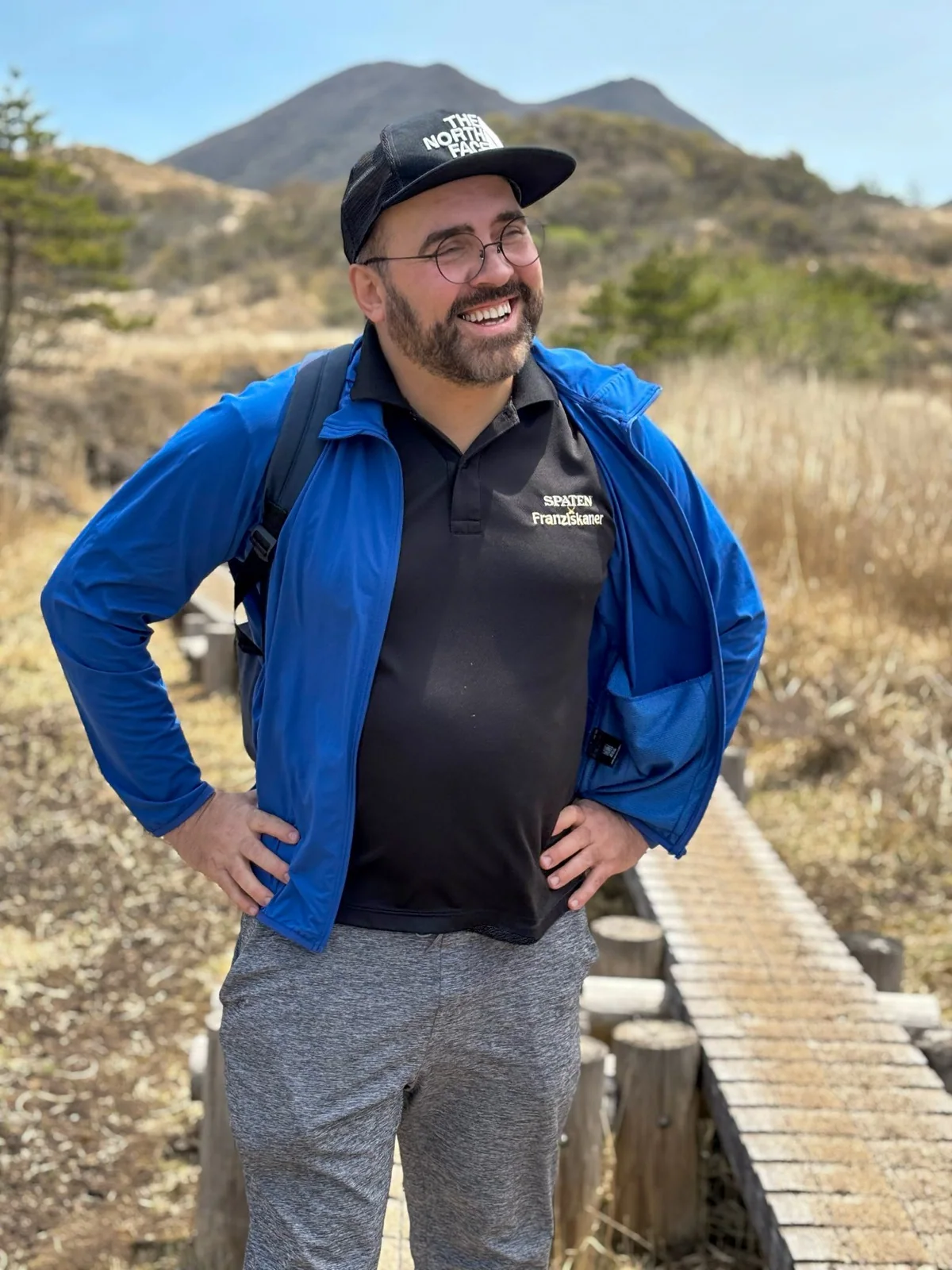
Background
I studied language and literature in Krakow, came to Japan on a MEXT scholarship, and completed a PhD in information science at Hokkaido University, specialising in natural language processing.
For nearly three decades I have written as Mazzi for Polish readers. My university work has included language-learning systems, natural language processing, intercultural classrooms, and faculty development.
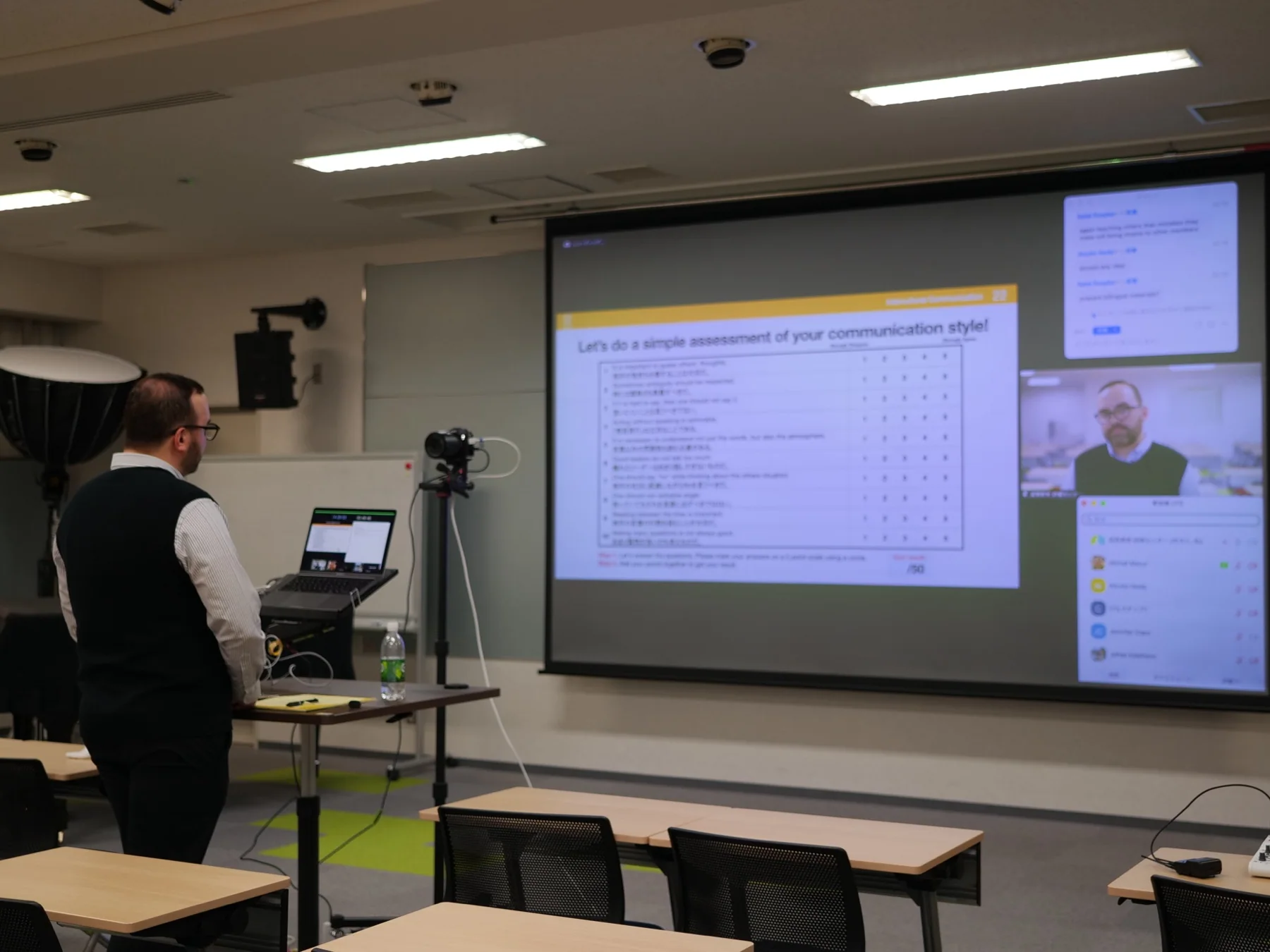
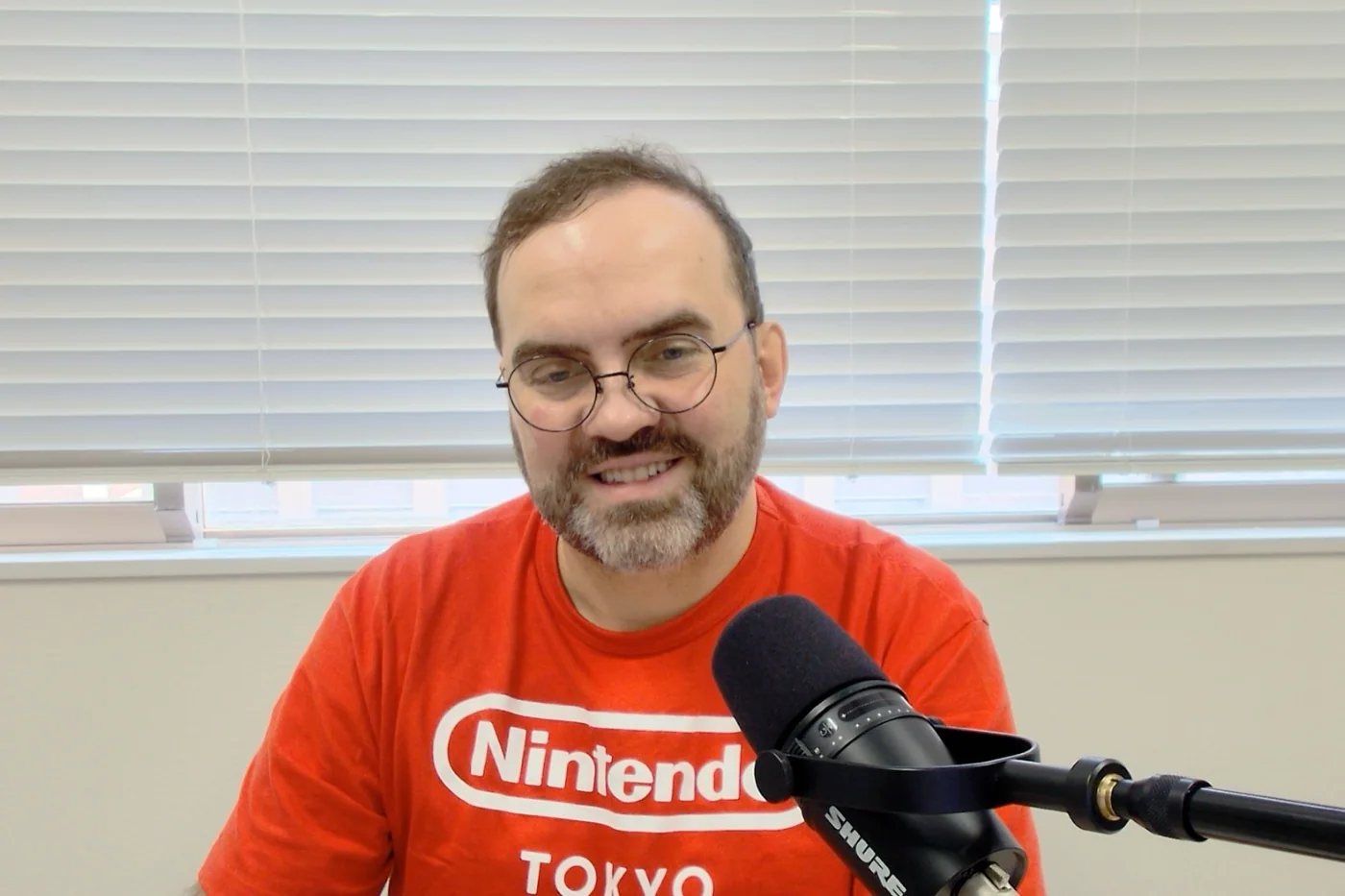
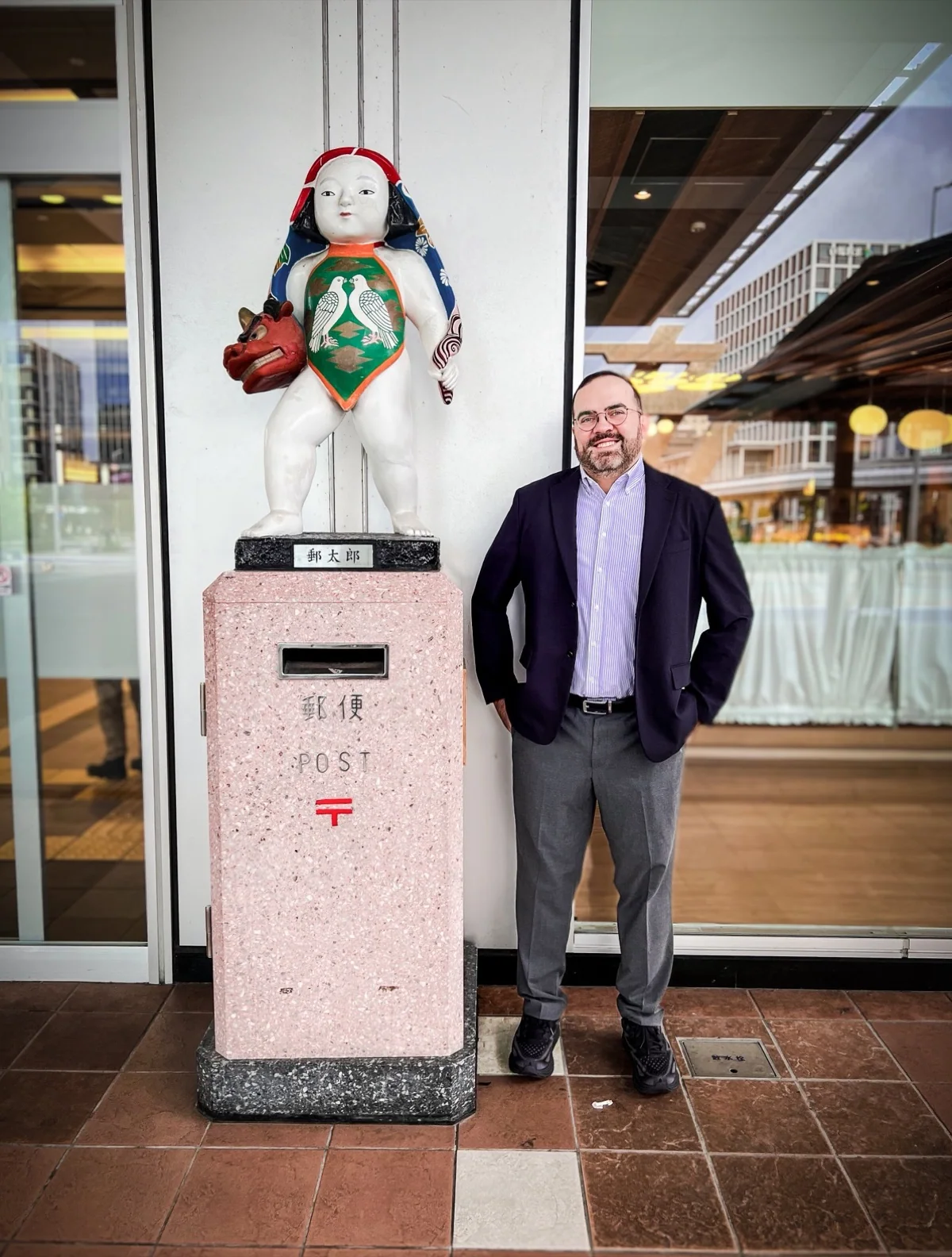
A few coordinates
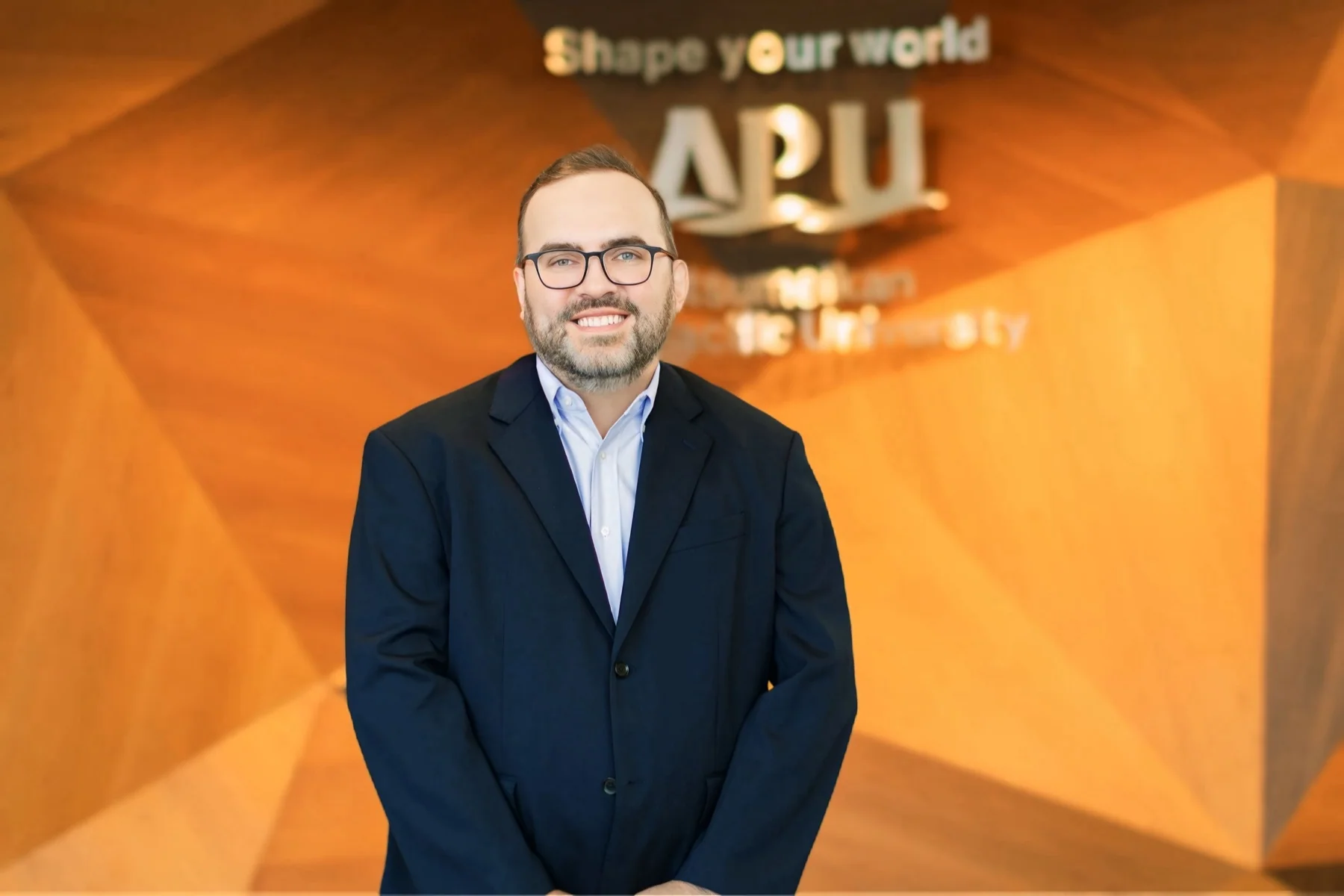
How I work
I am an Assistant Professor at Ritsumeikan Asia Pacific University (APU) in Japan. My work focuses on intercultural communication, global learning, faculty development, and teaching in multilingual higher education. I design courses and professional-development programmes that help educators and students interpret difference, participate more fully, and turn reflection into practical action.
My academic path connects language and literature, Japanese studies, information science, and natural language processing. Before joining APU, I worked and taught at Hokkaido University, developing courses and faculty-development activities around English-medium instruction, intercultural communication, curriculum design, and the changing role of generative AI in higher education.
Alongside university work, I write as Mazzi about Japan, video games, media culture, and everyday life. That public writing brings cultural interpretation and accessible explanation to a wider audience, connecting my academic interests with journalism, games, and contemporary Japanese culture.
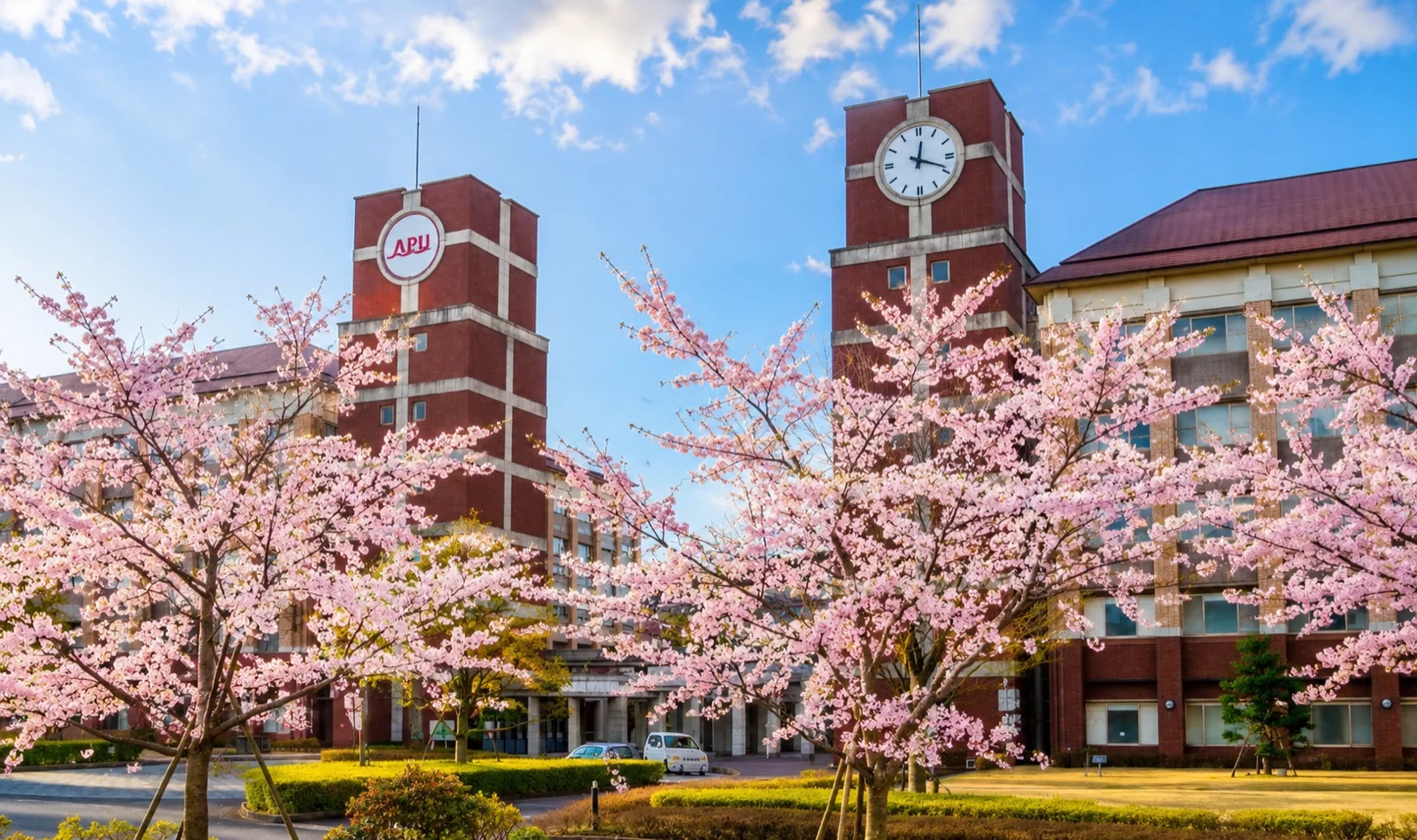
My academic home now
Based in Beppu, I work on intercultural education, faculty development, and public communication at APU.
Interactive portfolio
Three short, replayable experiences turn language learning, teaching design, and field reporting into choices you can make yourself.
Research
My research connects intercultural communication, higher education, language learning, educational technology, and learner experience. Across these projects, I ask how classroom practices and digital tools can help people interpret difference, participate more confidently, and develop the skills needed in globally connected environments.
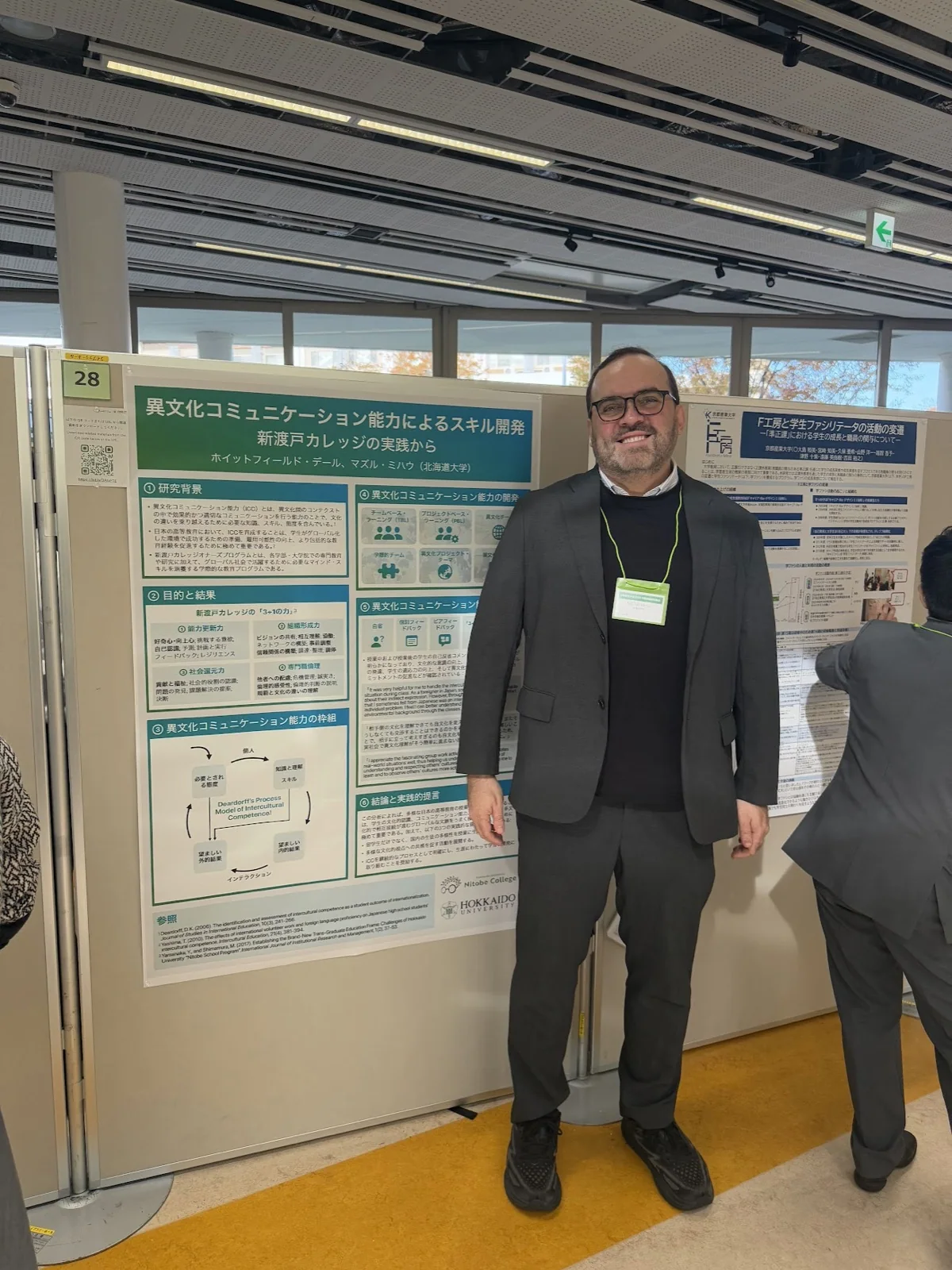
A study of how structured activities and reflection can develop intercultural competence among students in Japanese higher education.
The CO-MIX research line explores how English and Japanese can be combined in computer-assisted language learning to support vocabulary development in context.
Ongoing work brings together EMI, student choice of language, faculty development, digital media, and evidence from classroom experience.
研究
私の研究は、異文化コミュニケーション、高等教育、言語学習、教育テクノロジー、学習者経験をつないでいます。授業の実践やデジタルツールが、人々の違いの解釈、自信をもった参加、そしてグローバルにつながる環境で必要となる力の獲得を、どのように支えられるかを考えています。
構造化された活動と振り返りが、日本の高等教育における学生の異文化コンピテンスをどのように育てるかを研究しています。
CO-MIX研究では、英語と日本語をコンピュータ支援言語学習の中で組み合わせ、文脈のある語彙学習を支える方法を探っています。
EMI、学生の言語選択、ファカルティ・ディベロップメント、デジタルメディア、授業で得られる根拠を結びつける継続的な研究です。
Badania
Moje badania łączą komunikację międzykulturową, szkolnictwo wyższe, naukę języków, technologie edukacyjne i doświadczenia osób uczących się. Pytam w nich, jak działania na zajęciach i narzędzia cyfrowe mogą pomagać odczytywać różnice, pełniej uczestniczyć oraz rozwijać kompetencje potrzebne w połączonym świecie.
Badanie tego, jak uporządkowane zadania i refleksja mogą rozwijać kompetencje międzykulturowe studentów w japońskim szkolnictwie wyższym.
Linia badawcza CO-MIX analizuje, jak łączenie angielskiego i japońskiego w komputerowo wspomaganej nauce języka może wspierać naukę słownictwa w kontekście.
Bieżąca praca łączy EMI, wybór języka przez studentów, rozwój dydaktyczny kadry, media cyfrowe i dowody płynące z doświadczeń klasowych.
Selected Practice
At APU, graduate students move from subject expertise to a one-page class outline and an activity they can actually facilitate, test with peers, and revise.
A 15-week classroom study used critical incidents and reflection to make empathy, interpretation, and cultural self-awareness visible; the work became a peer-reviewed article in 2023.
In Video Games in Society, students wrote real reviews and pitched game concepts. Selected work reached PSX Extreme, and the course received a 4.58/5 student-survey score.
From Hokkaido University workshops to a 2024 invited lecture at Kitami Institute of Technology, I frame AI as a tool for design and inquiry that still requires verification and academic judgment.
Workshop Offer
Design Principle
I keep the theory concise, then give people time to work on a real class, difficult conversation, or programme decision. Templates, peer feedback, rehearsal, and reflection turn the session into a usable artifact and a next step that fits their institution.
Verified Experience
Recent sessions covered teaching in English, intercultural communication, syllabus design, and preparing for ChatGPT in the classroom.
The course received a 4.58/5 overall student-survey score in Hokkaido University's 2023 Excellent Teacher selection.
A webinar comparing teaching across Poland, Japan, and Italy, with intercultural context at the centre of the discussion.
For two years, I have helped facilitate learning across intercultural communication, leadership, presentation skills, feedback, and international project collaboration for mixed student cohorts.
Academic and public work
As Mazzi, I have reported from Japan, interviewed game creators, covered Tokyo Game Show, and written long-form articles for Polish readers.
At university, I teach and conduct work in intercultural communication, global learning, faculty development, and multilingual higher education.
Browse the writing portfolio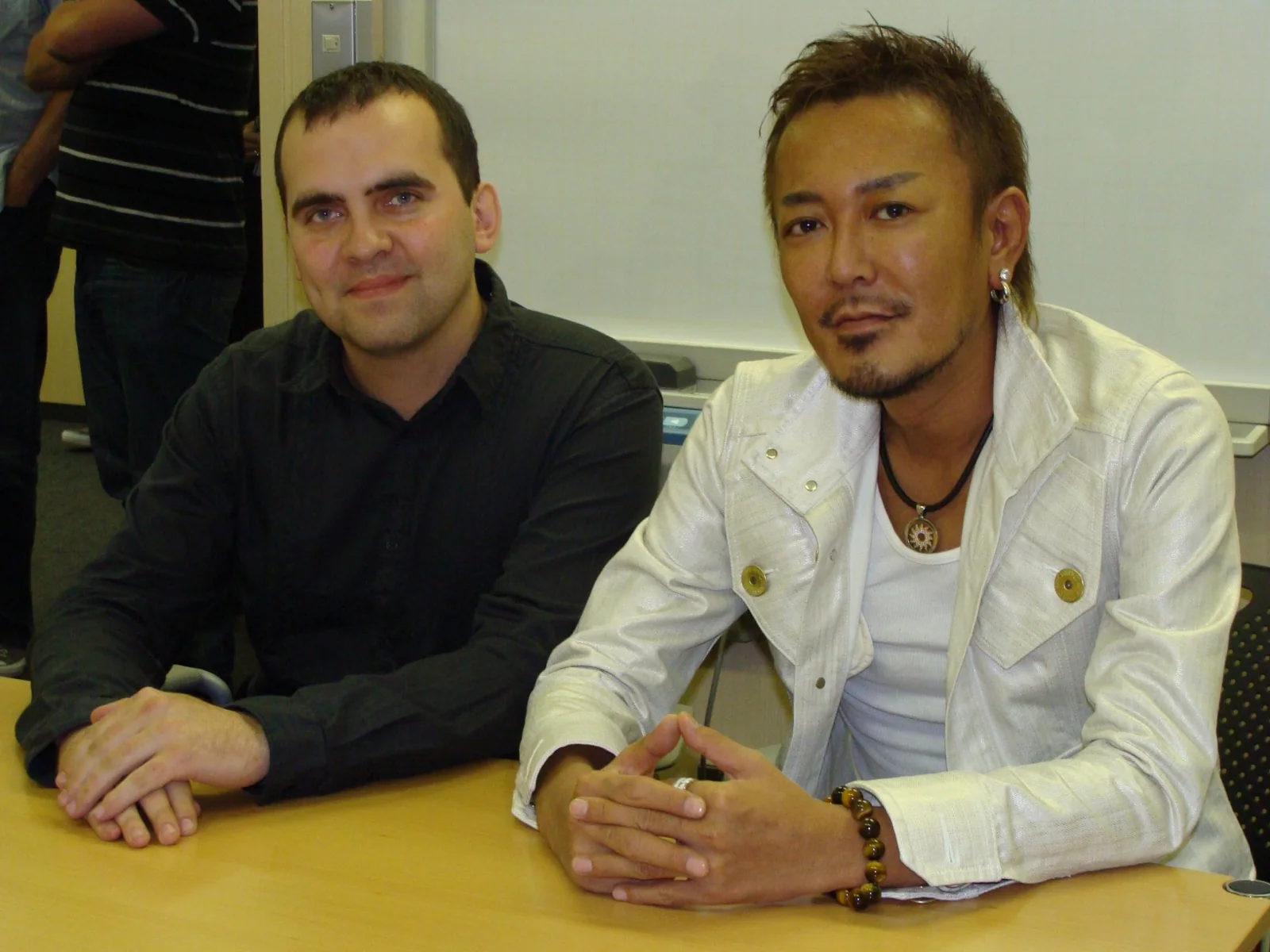
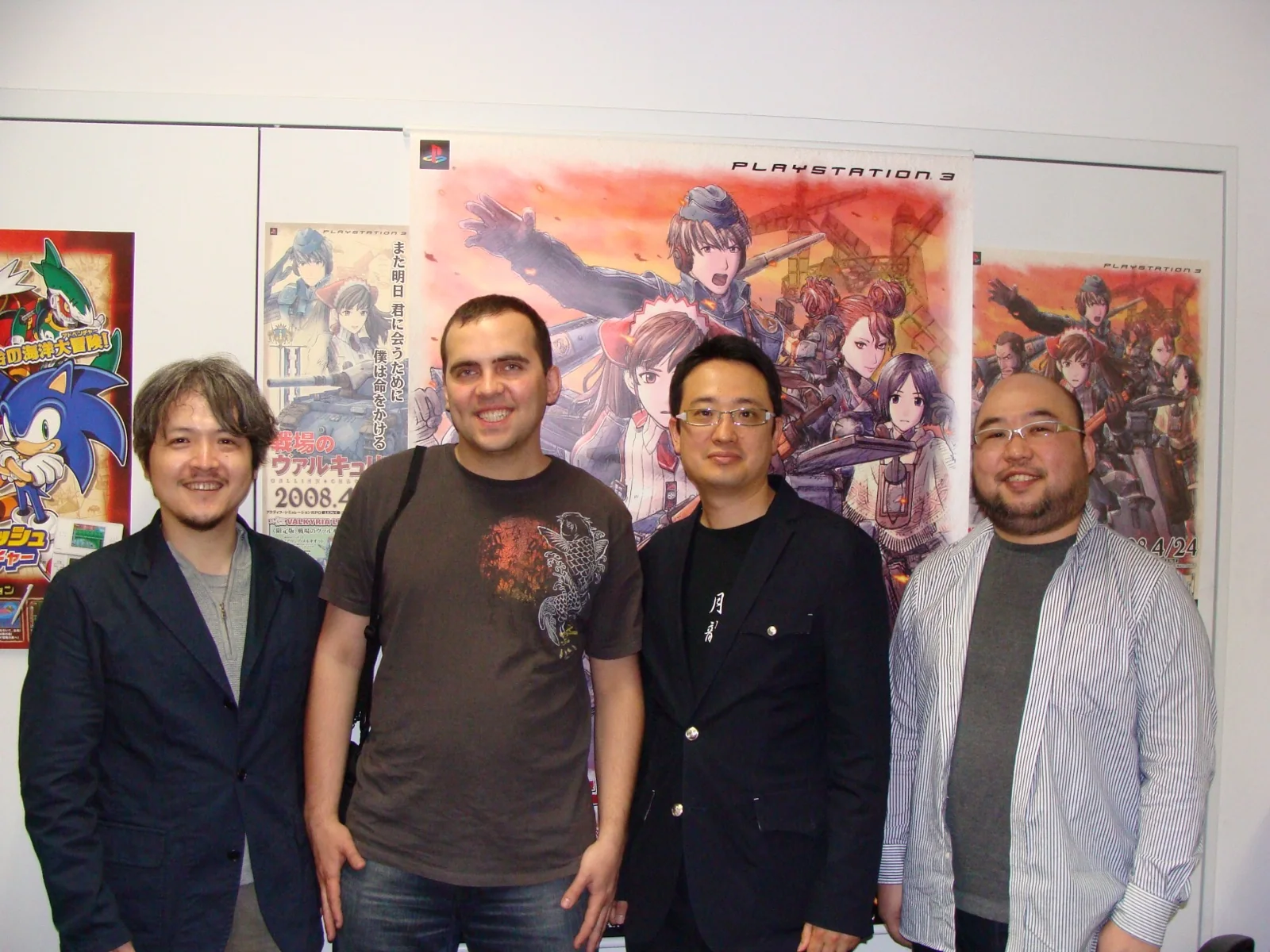
Two longstanding parts of my work: higher education and public writing about Japan, games, and media.
Position Essay
An essay about games as cultural systems, everyday life in Japan, public writing, and intercultural education.
Read the essayA few places to meet my work
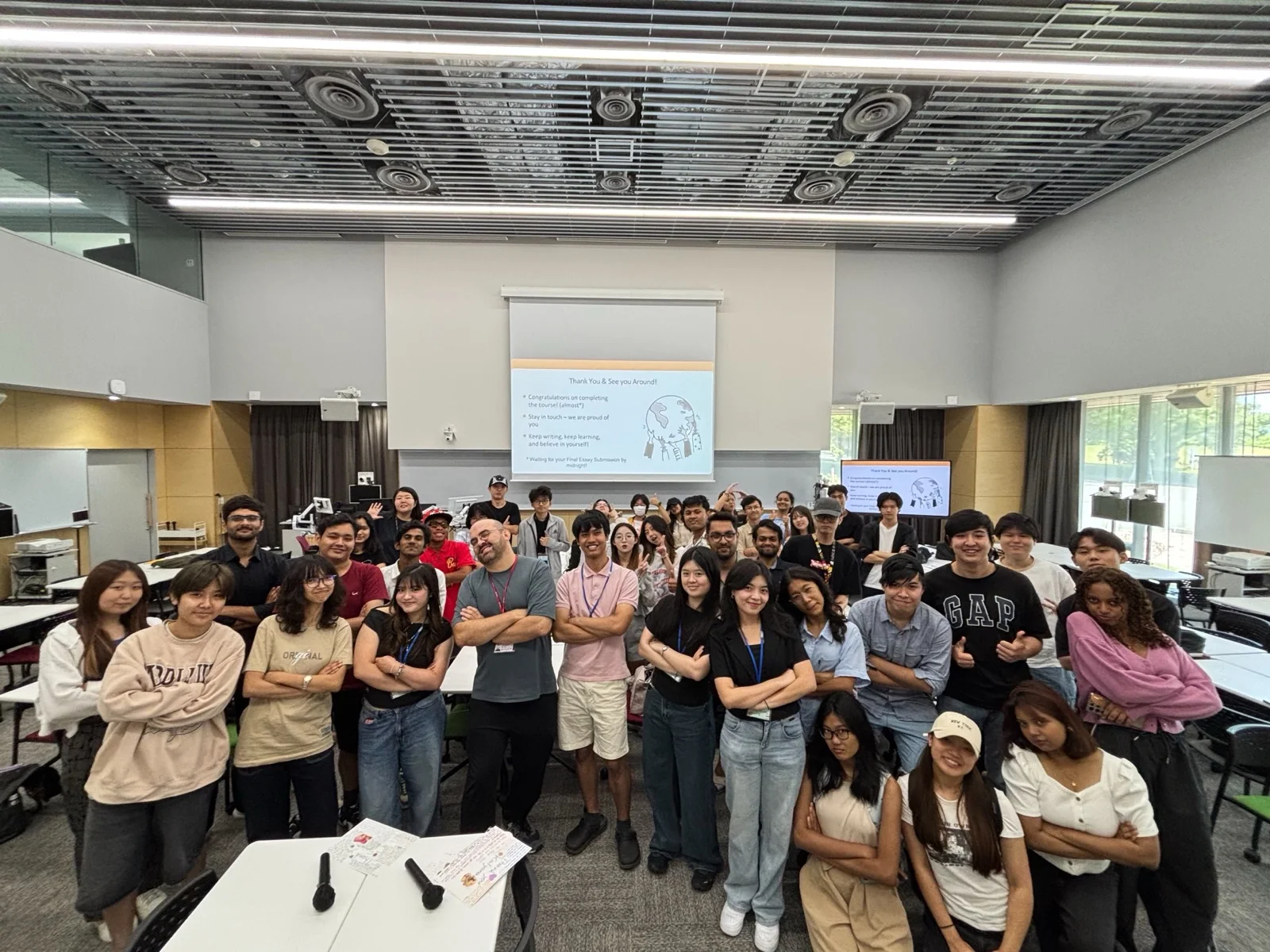
As an APU academic, I led an international student panel and the APU Student Podcast, helping students share honest, practical perspectives on choosing a university and studying in Japan.
Open the APU featureAn official profile of my academic path, research agenda, faculty development work, and public communication.
Read the newsletter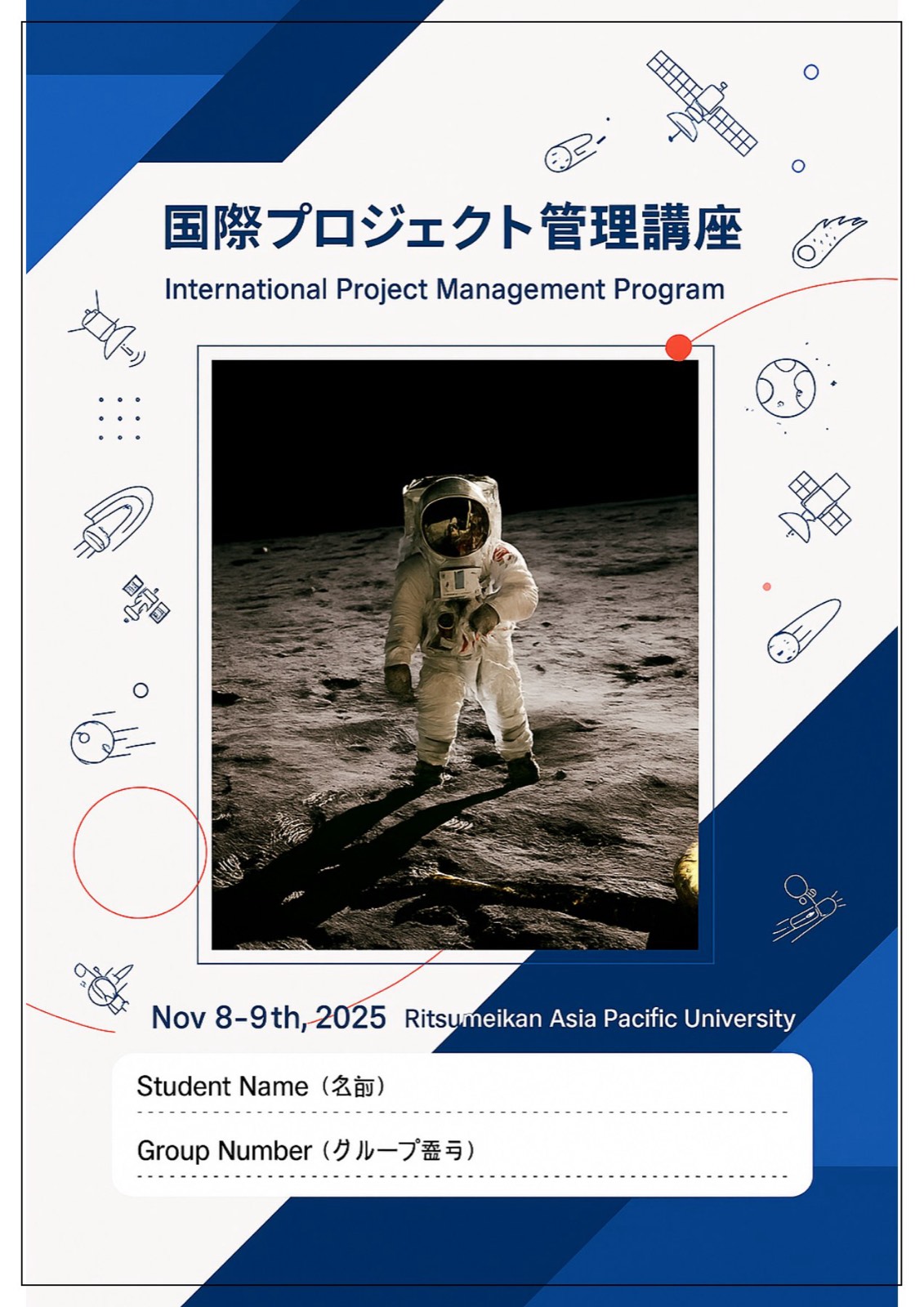
A collaborative interdisciplinary education project connecting space-sector knowledge with management, social science, innovation, and human-resource development.
Open the programme storyA long-form conversation about intercultural communication, teaching in Japan, public writing, games, and life between cultures.
Read the interviewA long conversation about scholarship, academic life, AI and language learning, moving from Hokkaido to Kyushu, and explaining Japan without turning it into a fantasy.
Listen to the podcast
A Polish conversation about the everyday texture of life on Hokkaido: arriving in Japan, work, language, and the places that become home.
Watch on YouTube仕事に出会えるいくつかの場所
APUの教員として国際学生パネルとAPU Student Podcastを担当し、大学選びと日本での学びについて、学生自身の率直で実践的な視点を発信する場をつくりました。
APUの特集を開く研究の歩み、研究テーマ、ファカルティ・ディベロップメント、パブリック・コミュニケーションを紹介する公式プロフィールです。
ニュースレターを読む異文化コミュニケーション、日本での教育、執筆、ゲーム、文化のあいだで生きることについてのロングインタビューです。
インタビューを読む奨学金、大学での生活、AIと言語学習、北海道から九州への移動、そして日本をファンタジーにせず伝えることについて語りました。
ポッドキャストを聴く北海道での日常、日本への移住、仕事、言葉、そして時間をかけて居場所になっていく土地について語ったポーランド語の対談です。
YouTubeで見るKilka miejsc, w których spotkasz moją pracę
Jako pracownik akademicki APU poprowadziłem panel i APU Student Podcast, pomagając studentom dzielić się szczerym, praktycznym doświadczeniem wyboru uczelni i studiowania w Japonii.
Otwórz materiał APUOficjalny profil mojej drogi akademickiej, kierunków badań, pracy nad rozwojem dydaktycznym kadry i komunikacji publicznej.
Przeczytaj newsletterWspólny interdyscyplinarny projekt edukacyjny łączący wiedzę o sektorze kosmicznym z zarządzaniem, naukami społecznymi, innowacją i rozwojem kapitału ludzkiego.
Otwórz opis programuRozmowa o komunikacji międzykulturowej, nauczaniu w Japonii, publicystyce, grach i życiu pomiędzy kulturami.
Przeczytaj wywiadDługa rozmowa o stypendium, życiu akademickim, AI i nauce języka, przeprowadzce z Hokkaido na Kiusiu oraz opowiadaniu o Japonii bez zamieniania jej w fantazję.
Posłuchaj podcastuRozmowa o codziennym rytmie życia na Hokkaido: przyjeździe do Japonii, pracy, języku i miejscach, które z czasem stają się domem.
Obejrzyj na YouTubeContact
I am especially interested in work with centers for teaching and learning, international programmes, graduate schools, and academic teams developing multilingual or intercultural learning.
For teaching, research, editorial, and public conversations, you can write in English, Polish, or Japanese.
Useful addresses