
Learning over a semester
Credit-bearing classes in intercultural communication, games and media, and higher education give students time to try ideas, reflect, receive feedback, and revise.
See classroom case studiesTeaching Portfolio
I teach credit-bearing courses, lead practical workshops, and give seminars for university communities. Topics include intercultural communication, EMI, course design, assessment, active learning, and responsible use of AI.
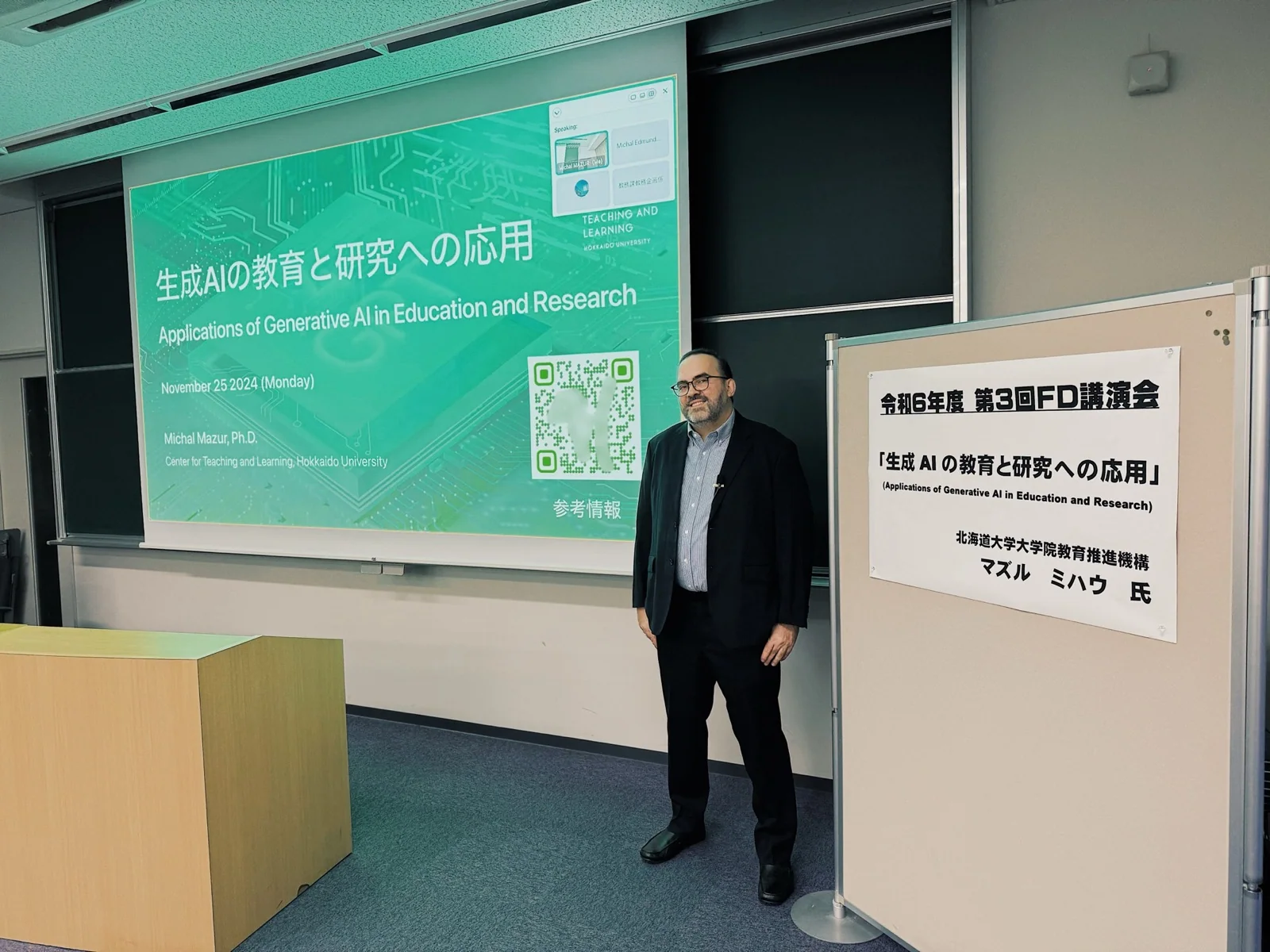
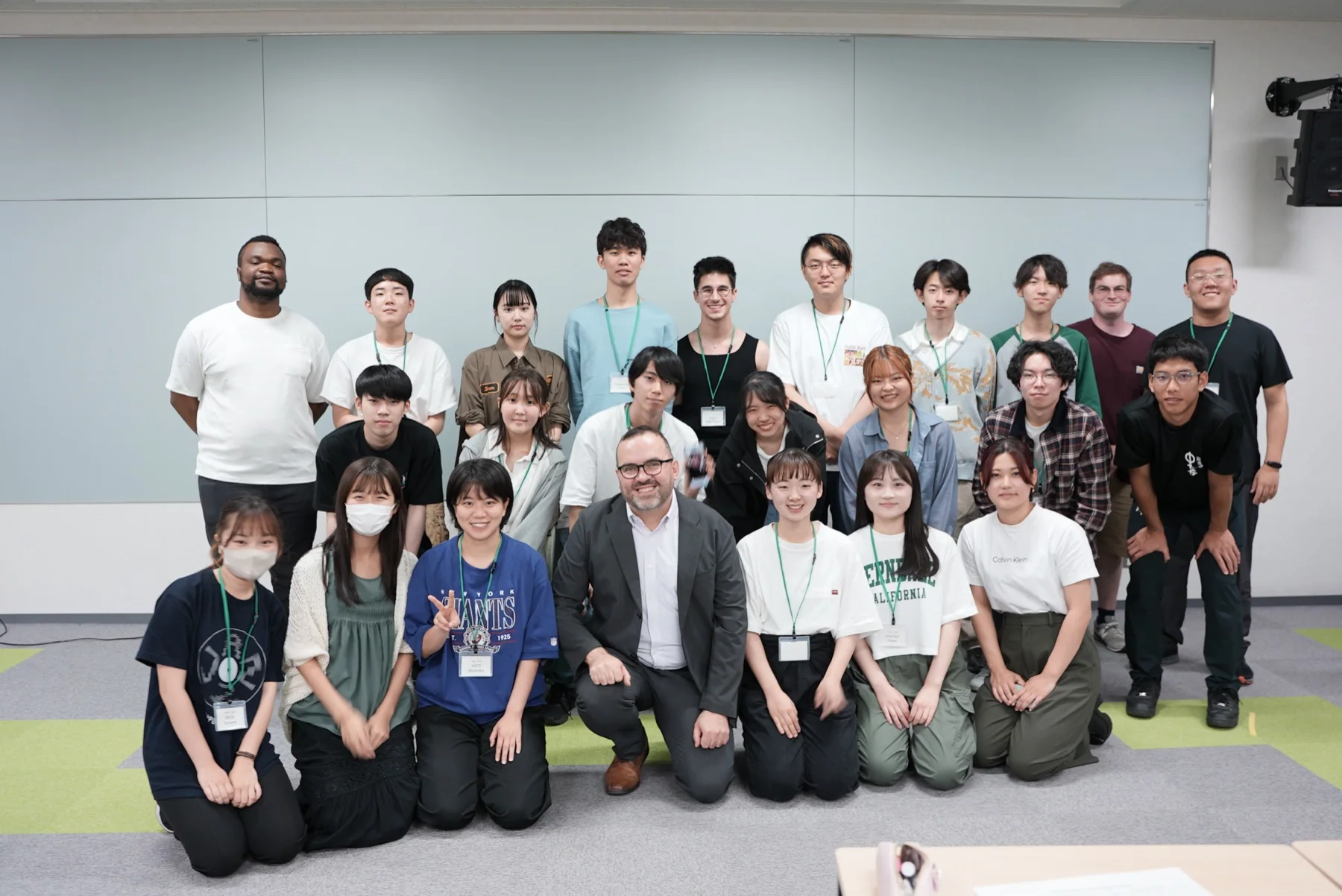
Teaching formats
Courses provide time for sustained practice. Workshops focus on a current teaching problem. Seminars and presentations address a defined topic for a wider group.
Credit-bearing classes in intercultural communication, games and media, and higher education give students time to try ideas, reflect, receive feedback, and revise.
See classroom case studiesFocused sessions for faculty, graduate students, and teaching teams turn one recognisable challenge into a usable teaching decision, activity, or plan.
Explore workshop collaborationGuest sessions connect evidence, examples, and a clear question around themes such as EMI, AI, intercultural learning, games, and public communication.
Compare engagement formats教育の形式
授業では継続的に学び、ワークショップでは具体的な教育課題を扱い、セミナーと講演では一つのテーマを幅広い参加者と共有します。
異文化コミュニケーション、ゲームとメディア、高等教育に関する正課授業では、学生が考えを試し、振り返り、フィードバックを受け、改善する時間を得ます。
授業のケーススタディを見る教職員、大学院生、教育チームのための集中的なセッションです。一つの課題を、使える教育上の判断、活動、または計画へと変えます。
ワークショップについて相談するEMI、AI、異文化学習、ゲーム、パブリック・コミュニケーションなどを、根拠、事例、明確な問いとともに扱うゲストセッションです。
形式を比較するFormaty dydaktyczne
Kursy dają czas na dłuższą pracę. Warsztaty skupiają się na aktualnym problemie dydaktycznym. Seminaria i prezentacje omawiają określony temat z szerszą grupą.
Akademickie kursy z komunikacji międzykulturowej, gier i mediów oraz szkolnictwa wyższego dają studentom czas na testowanie pomysłów, refleksję, informację zwrotną i poprawę pracy.
Zobacz studia przypadków z zajęćSkoncentrowane sesje dla kadry, doktorantów i zespołów dydaktycznych prowadzą od jednego rozpoznawalnego wyzwania do użytecznej decyzji, aktywności albo planu.
Zobacz, jak zacząć współpracęSesje gościnne łączą dowody, przykłady i wyraźne pytanie, aby otworzyć rozmowę o EMI, AI, uczeniu międzykulturowym, grach i komunikacji publicznej.
Porównaj formaty współpracySelected teaching record
Introduction to Intercultural Communication, Video Games in Society, and the Foundations of Teaching & Learning Pre-FD programme.
Critical incidents, structured dialogue, and reflection help students move from lived experience to interpretation.
Evidence End-of-semester feedback pointed to useful slides, discussion, and reflection activities.
Read the course case study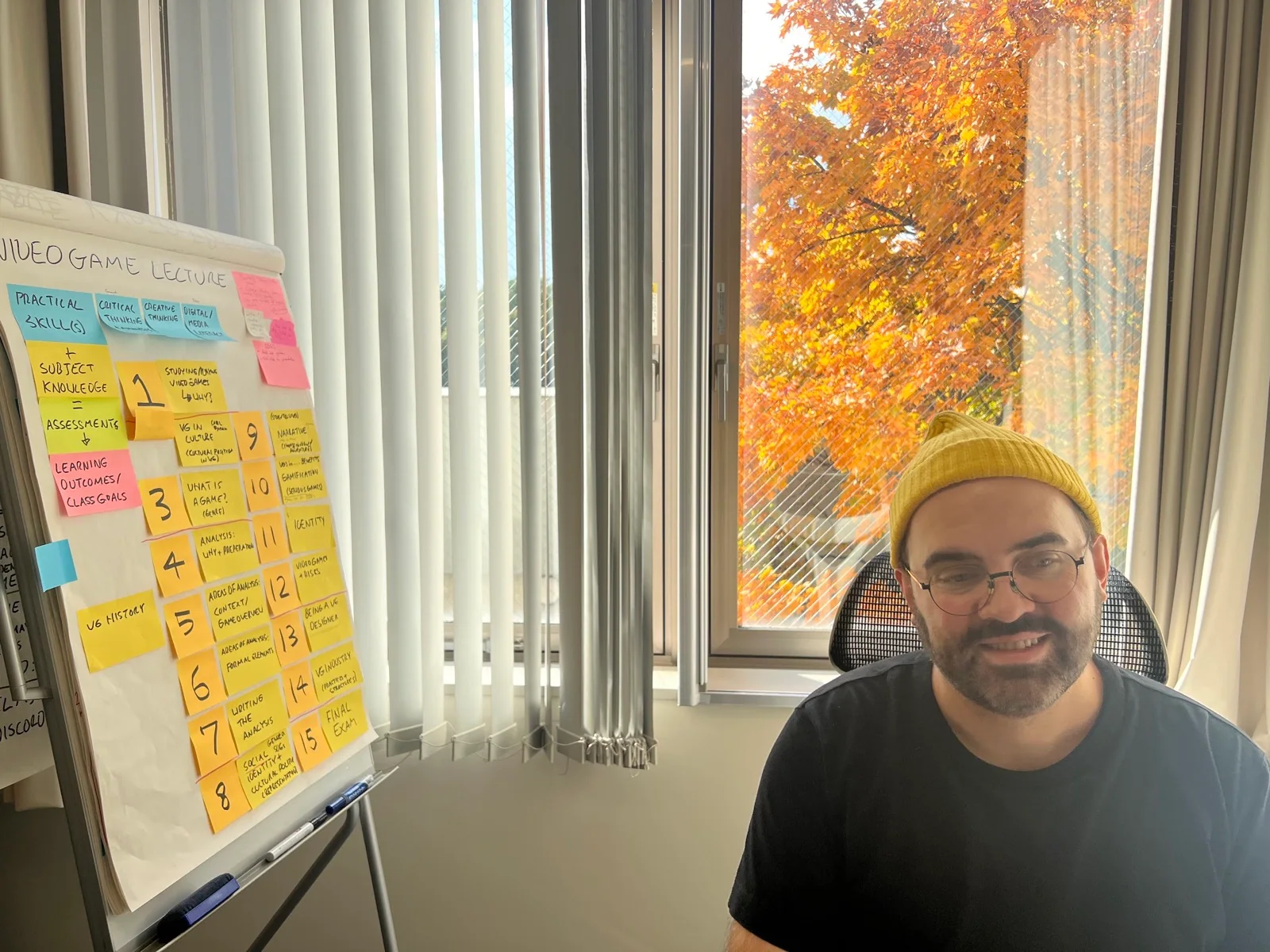
Students analyse games as cultural material, write real reviews, and develop original game concepts for a public audience.
Evidence The course received a 4.58/5 overall student-survey score; selected work was published by PSX Extreme.
See the course case study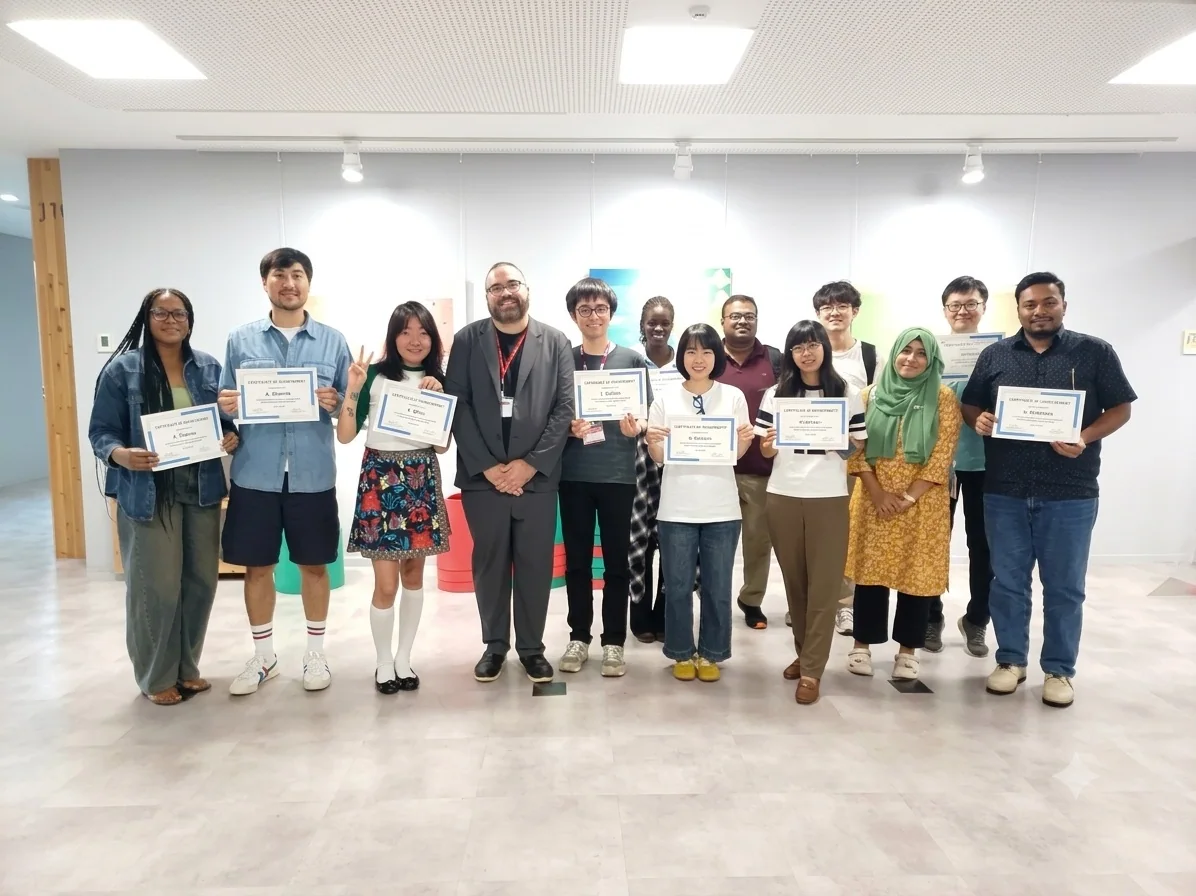
Graduate students turn a teaching idea into a usable class outline, activity, peer rehearsal, and revision.
View the original series poster教育実践の記録
これは全授業の一覧ではありません。学期を通じた授業と教育開発の形式で、明確な構成、主体的な参加、振り返り、改善という原則をどう実践しているかを示す短い記録です。
クリティカル・インシデント、構造化された対話、振り返りを通して、学生が経験を解釈へとつなげます。
根拠 学期末の匿名フィードバックでは、スライド、対話、振り返り活動の有用性が挙げられました。
授業のケーススタディを読む
ゲームを文化的な素材として分析し、実際のレビューを書き、一般の読者にも届くゲーム企画をつくります。
根拠 授業全体の学生アンケート評価は 4.58/5。選抜作品は PSX Extreme に掲載されました。
授業のケーススタディを見る
大学院生が授業のアイデアを、使える授業概要、活動、ピア・リハーサル、改善へとつなげます。
シリーズのポスターを見るWybrane doświadczenie dydaktyczne
Introduction to Intercultural Communication, Video Games in Society oraz program Pre-FD Foundations of Teaching & Learning.
Sytuacje krytyczne, ustrukturyzowany dialog i refleksja pomagają studentom przejść od doświadczenia do interpretacji.
Dowód Anonimowa informacja zwrotna na koniec kursu wskazywała na użyteczne slajdy, dyskusje i aktywności refleksyjne.
Przeczytaj studium przypadku kursu
Studenci analizują gry jako materiał kulturowy, piszą recenzje przeznaczone do publikacji i rozwijają własne koncepcje gier dla szerszej publiczności.
Dowód Kurs otrzymał ogólną ocenę 4,58/5 w ankiecie studenckiej; wybrane prace opublikował PSX Extreme.
Zobacz studium przypadku kursu
Doktoranci zamieniają pomysł na zajęcia w użyteczny plan, aktywność, próbę z grupą i poprawioną wersję.
Zobacz oryginalny plakat seriiClass sample
This recording comes from Week 6 of Video Games in Society. The session is titled Game Analysis 3.
Watch the full class sample on YouTube
授業サンプル
この動画はVideo Games in Society第6週の授業録画です。セッション名は「Game Analysis 3」です。
YouTubeで授業サンプル全編を見る
Próbka zajęć
To nagranie pochodzi z szóstego tygodnia kursu Video Games in Society. Sesja nosi tytuł Game Analysis 3.
Zobacz pełną próbkę zajęć na YouTube
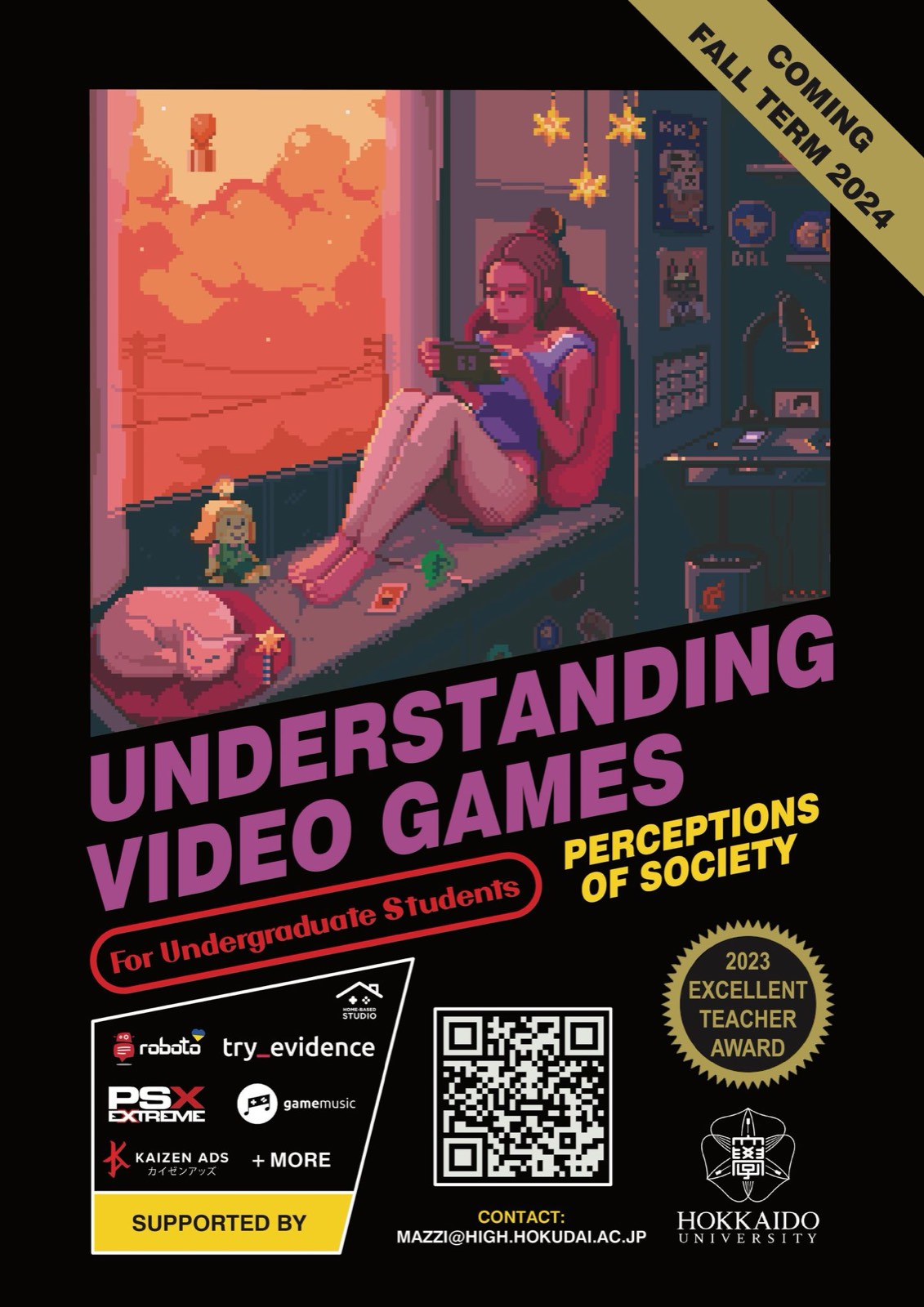 Invitation poster · 2024
募集ポスター・2024年
Plakat zapowiadający · 2024
Invitation poster · 2024
募集ポスター・2024年
Plakat zapowiadający · 2024
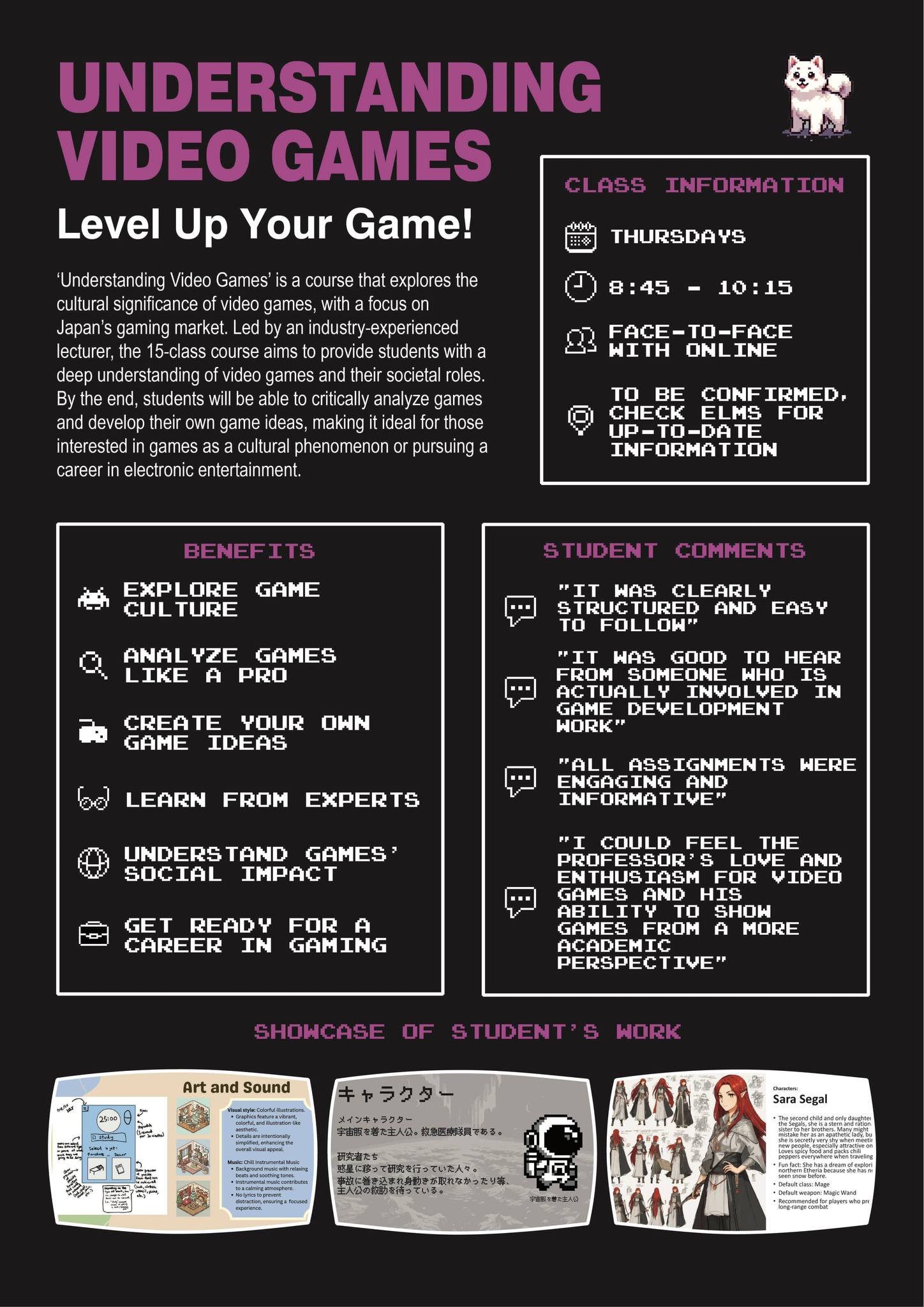 Course map & student evidence
授業の見取り図と学生の声
Mapa kursu i głosy studentów
Course map & student evidence
授業の見取り図と学生の声
Mapa kursu i głosy studentów
Course identity · Hokkaido University · 2024
These posters frame games as cultural systems worth reading closely—not simply entertainment to be consumed. Their visual language comes from games, but their promise is academic: analyse how games make meaning, connect them to society, and turn interpretation into reviews, original concepts, and work for a real audience.
The illustrated poster creates curiosity; the information poster makes the pathway, student voices, and examples of student work visible. Together they show how visual communication, curriculum design, and knowledge of the games industry belong to the same teaching practice.
授業のビジュアル・アイデンティティ · 北海道大学 · 2024年
このポスターが示すのは、ゲームを単に消費する娯楽ではなく、注意深く読み解く価値のある文化的システムとして扱う授業です。表現はゲーム文化から借りていますが、約束するのは学術的な学びです。ゲームがどのように意味を生み、社会とどう結びつくかを分析し、その解釈をレビュー、独自の企画、実際の読者に届く成果へ変えていきます。
イラスト版は好奇心を引き出し、情報版は学習の道筋、学生の声、成果物の例を見える形にします。二つを合わせることで、ビジュアル・コミュニケーション、カリキュラム設計、ゲーム業界への知見が、一つの教育実践としてつながります。
Tożsamość kursu · Hokkaido University · 2024
Te plakaty przedstawiają gry jako systemy kulturowe, które warto uważnie czytać, a nie wyłącznie konsumować jako rozrywkę. Ich język wizualny pochodzi ze świata gier, lecz obietnica jest akademicka: analizować, jak gry tworzą znaczenia, łączyć je ze społeczeństwem, a interpretację przekładać na recenzje, autorskie koncepcje i pracę dla rzeczywistego odbiorcy.
Plakat ilustracyjny budzi ciekawość; wersja informacyjna pokazuje drogę przez kurs, głosy studentów i przykłady ich prac. Razem dowodzą, że komunikacja wizualna, projektowanie programu i znajomość branży gier są częściami tej samej praktyki dydaktycznej.
Start with the problem
Tell me who is in the room, what feels difficult now, and what you would like to be different afterwards. I will suggest a format, a realistic focus, and a concrete outcome for the session.
A simple way to begin
A short email is enough. There is no formal request form.
課題から始める
誰が参加するのか、今どこに難しさがあるのか、終わったあと何が変わっていてほしいのかを教えてください。形式、現実的な焦点、そして参加者が持ち帰る成果を提案します。
相談の進め方
短いメールで十分です。正式な申請書は必要ありません。
Zacznijmy od problemu
Napisz mi, kto będzie w sali, co obecnie jest trudne i co ma się zmienić po sesji. Zaproponuję format, realistyczny zakres oraz konkretny rezultat spotkania.
Prosty początek
Wystarczy krótki e-mail. Nie ma formalnego formularza zgłoszeniowego.
Workshop feedback
These are anonymised workshop responses, with translations where noted. In the October 2024 Presentation Skills for Higher Education workshop, 12 of 13 respondents reported positive overall satisfaction; 11 of 13 expected the session to inform a change in their future practice.
“The way it broke down complex presentation skills into actionable tips made it much easier to understand and apply.”
Anonymous participant · Presentation Skills for Higher Education · 2024
“The use of breakout rooms was a helpful way of keeping people engaged.”
Anonymous participant · Online Communication workshop · 2020 · translated from Japanese
ワークショップのフィードバック
以下は匿名のワークショップ回答です。必要に応じて翻訳を付けています。2024年10月のPresentation Skills for Higher Educationでは、13人中12人が全体的な満足度を肯定的に評価し、13人中11人が今後の実践の変化につながると答えました。
「複雑なプレゼンテーションのスキルが実行可能なヒントに分解されていたので、理解しやすく実践しやすかったです。」
匿名の参加者・Presentation Skills for Higher Education・2024年・英語からの翻訳
「ブレークアウトルームを使って飽きさせない工夫がされており参考になった。」
匿名の参加者・オンライン・コミュニケーション研修・2020年
Opinie z warsztatów
To anonimowe odpowiedzi z ankiet warsztatowych; tam, gdzie było to potrzebne, podano tłumaczenie. Podczas warsztatu Presentation Skills for Higher Education w październiku 2024 r. 12 z 13 osób pozytywnie oceniło warsztat, a 11 z 13 uznało, że sesja wpłynie na ich przyszłą praktykę.
„Podział złożonych umiejętności prezentacyjnych na możliwe do zastosowania wskazówki znacznie ułatwił ich zrozumienie i wykorzystanie.”
Anonimowy uczestnik · Presentation Skills for Higher Education · 2024 · tłumaczenie z angielskiego
„Przemyślane wykorzystanie pokoi do pracy w grupach pomagało utrzymać zaangażowanie uczestników.”
Anonimowy uczestnik · warsztat o komunikacji online · 2020 · tłumaczenie z japońskiego
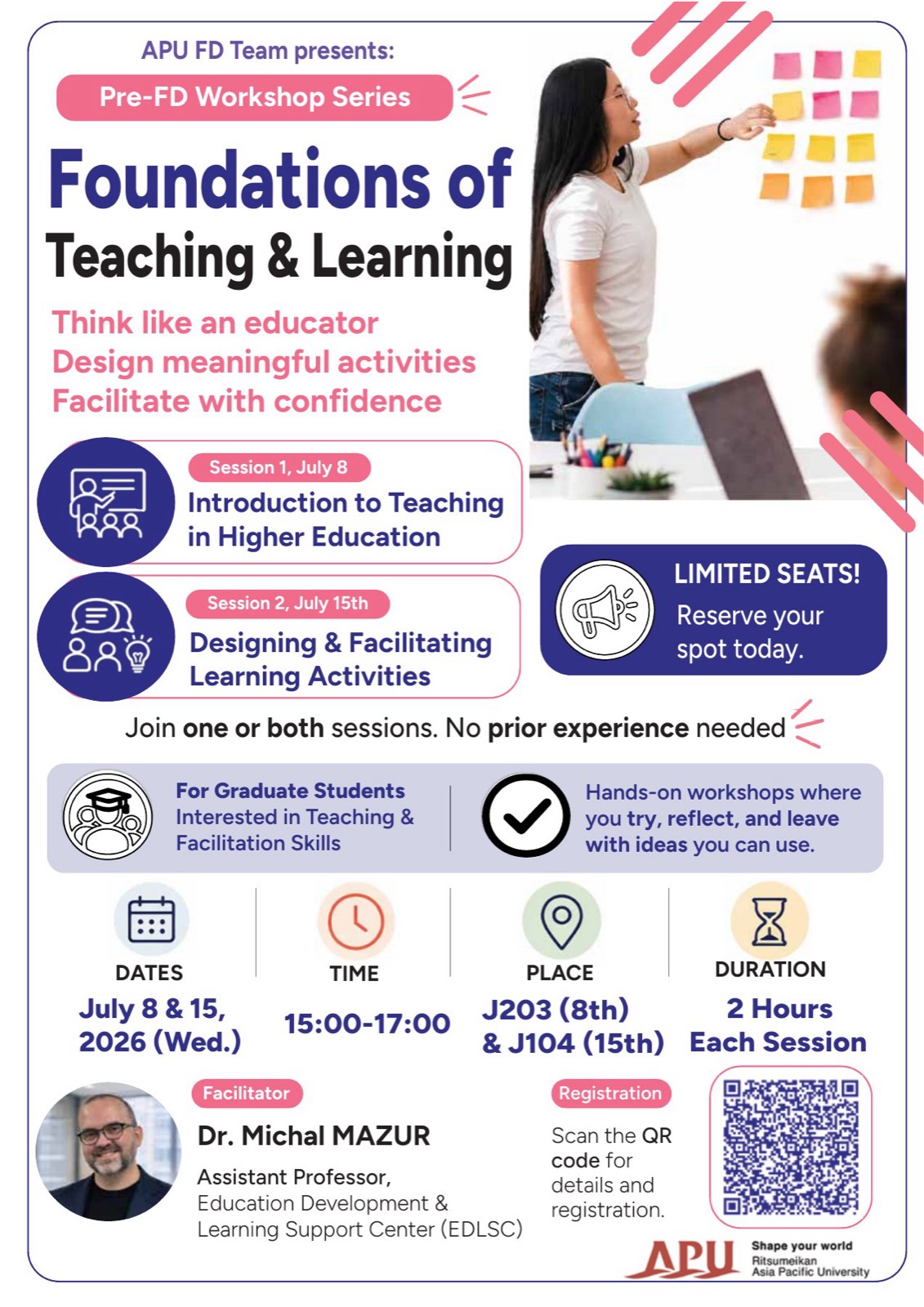
A working trace
The original Pre-FD poster, the workshop design and the Spring 2026 record are collected on the programme page.
See the programme and materials →実践の痕跡
Pre-FDのオリジナルポスター、ワークショップの設計、2026年春の記録をプログラムのページにまとめています。
プログラムと資料を見る →Ślad pracy
Oryginalny plakat Pre-FD, opis projektu warsztatów i dokumentację edycji wiosennej 2026 znajdziesz na stronie programu.
Zobacz program i materiały →Teaching materials in practice
Selected pages from original presentations used in sessions on presentation skills, activity design, feedback, and intercultural communication.
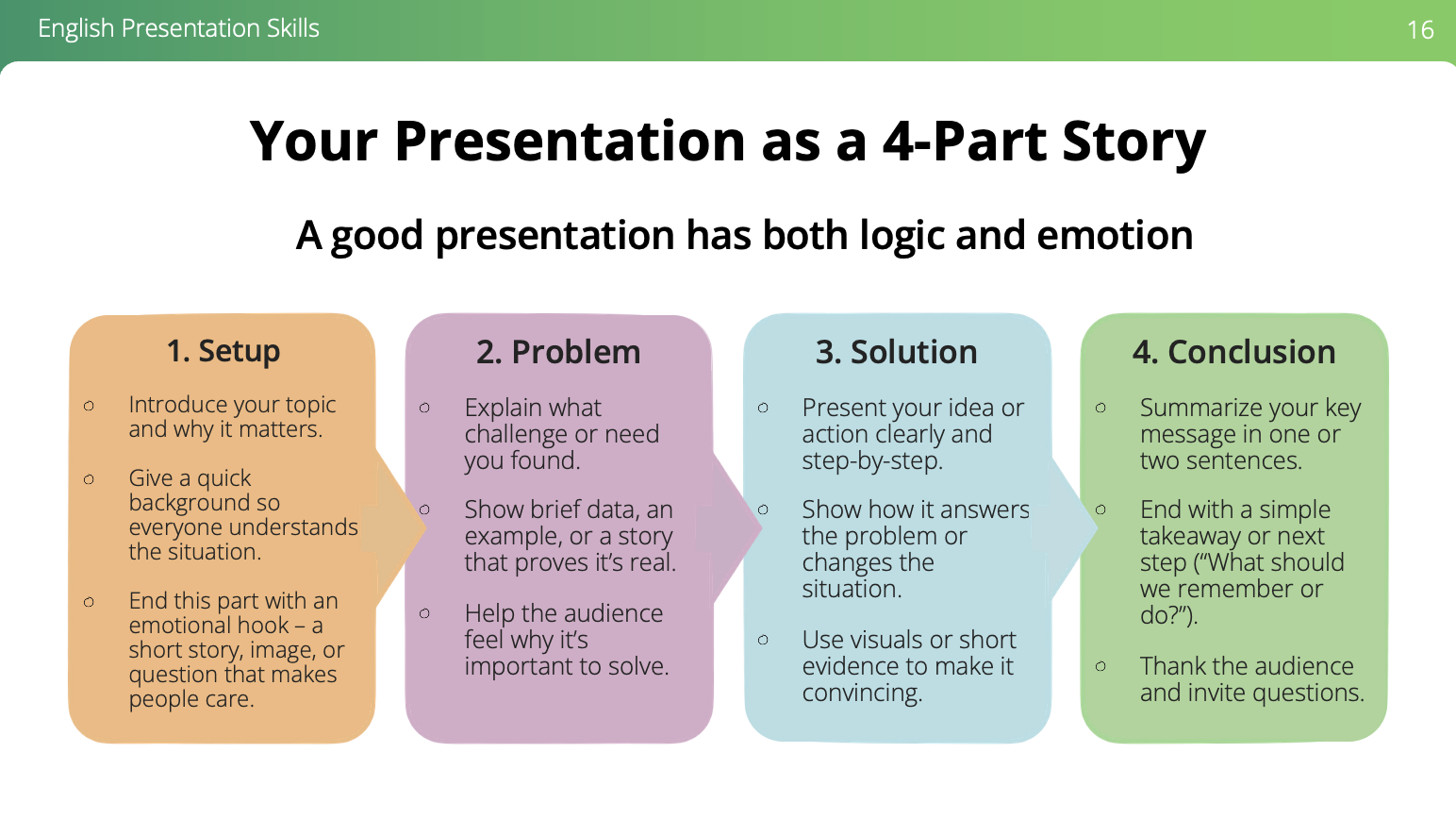
A four-part structure turns presentation advice into a memorable planning tool that participants can use immediately.
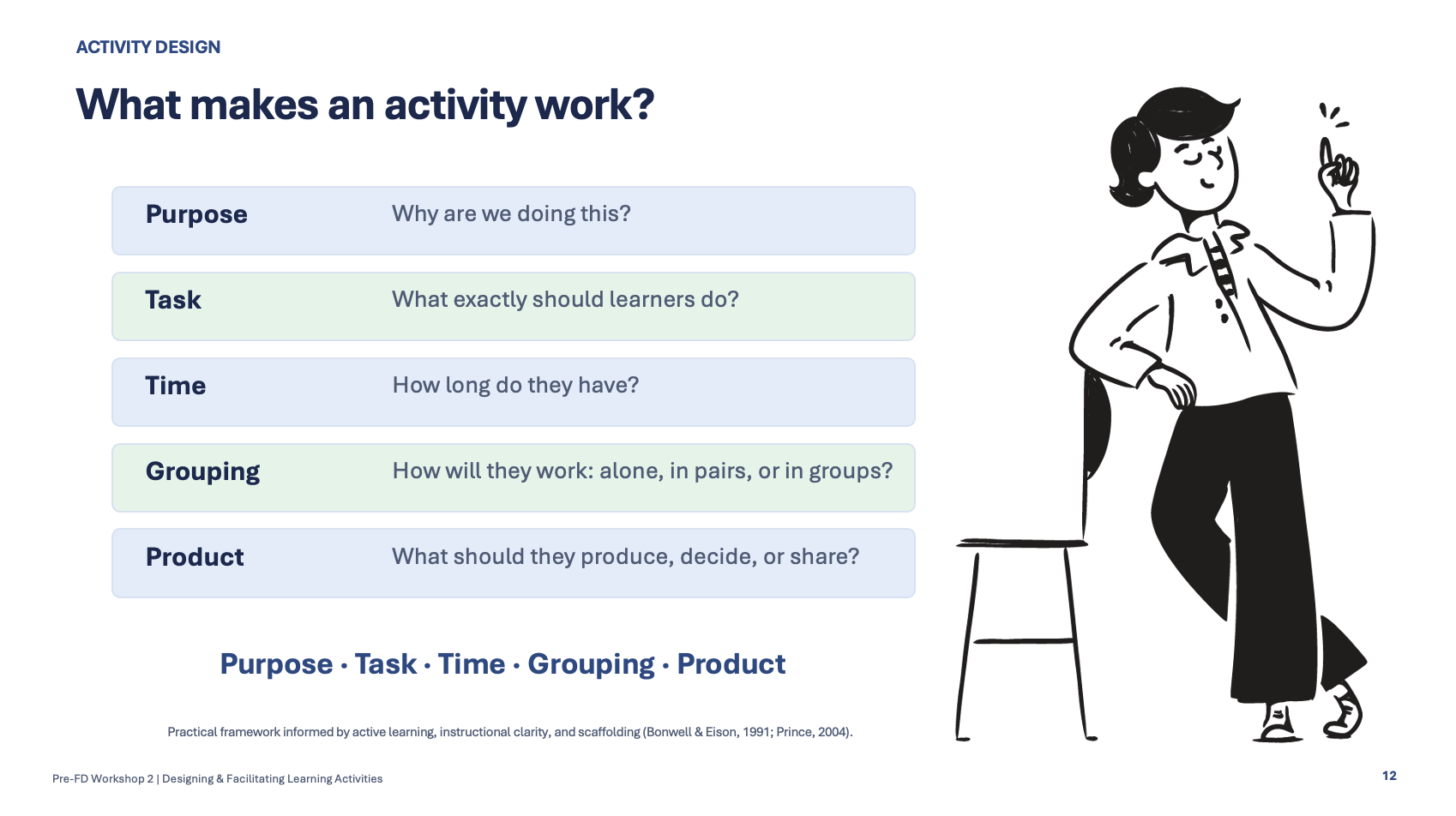
Purpose, task, time, grouping, and product give participants a practical test for whether an activity will be clear and workable.
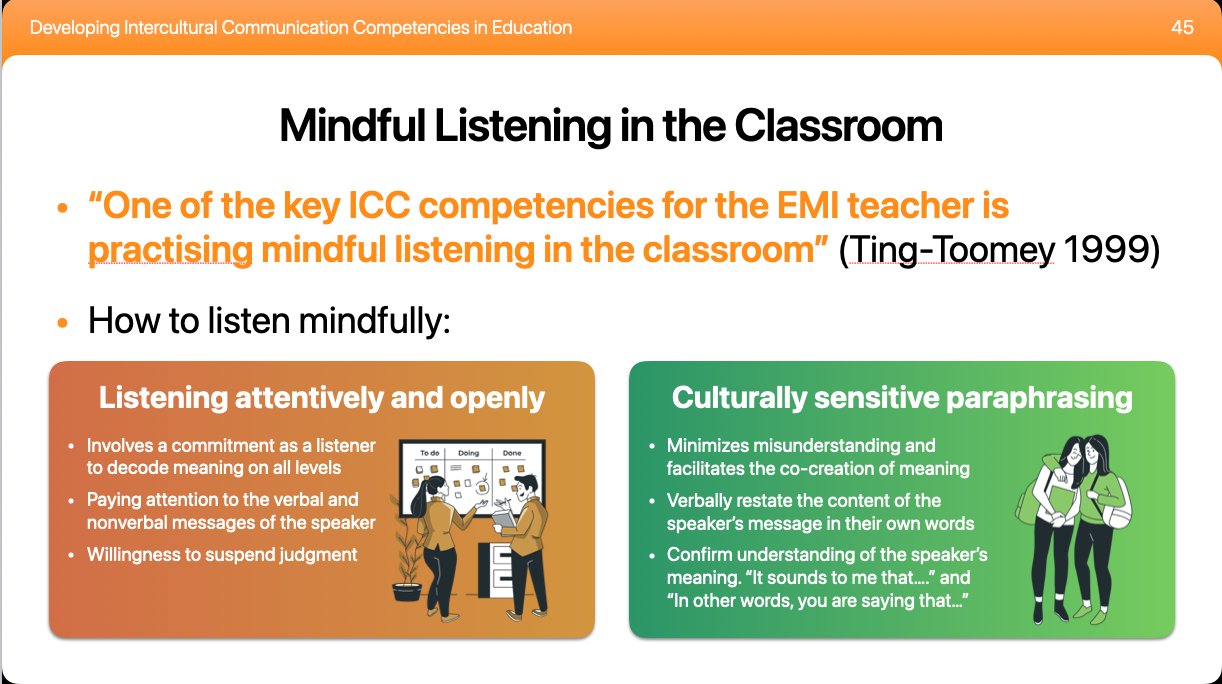
An intercultural principle becomes language people can practise: attend openly, then paraphrase with cultural sensitivity.
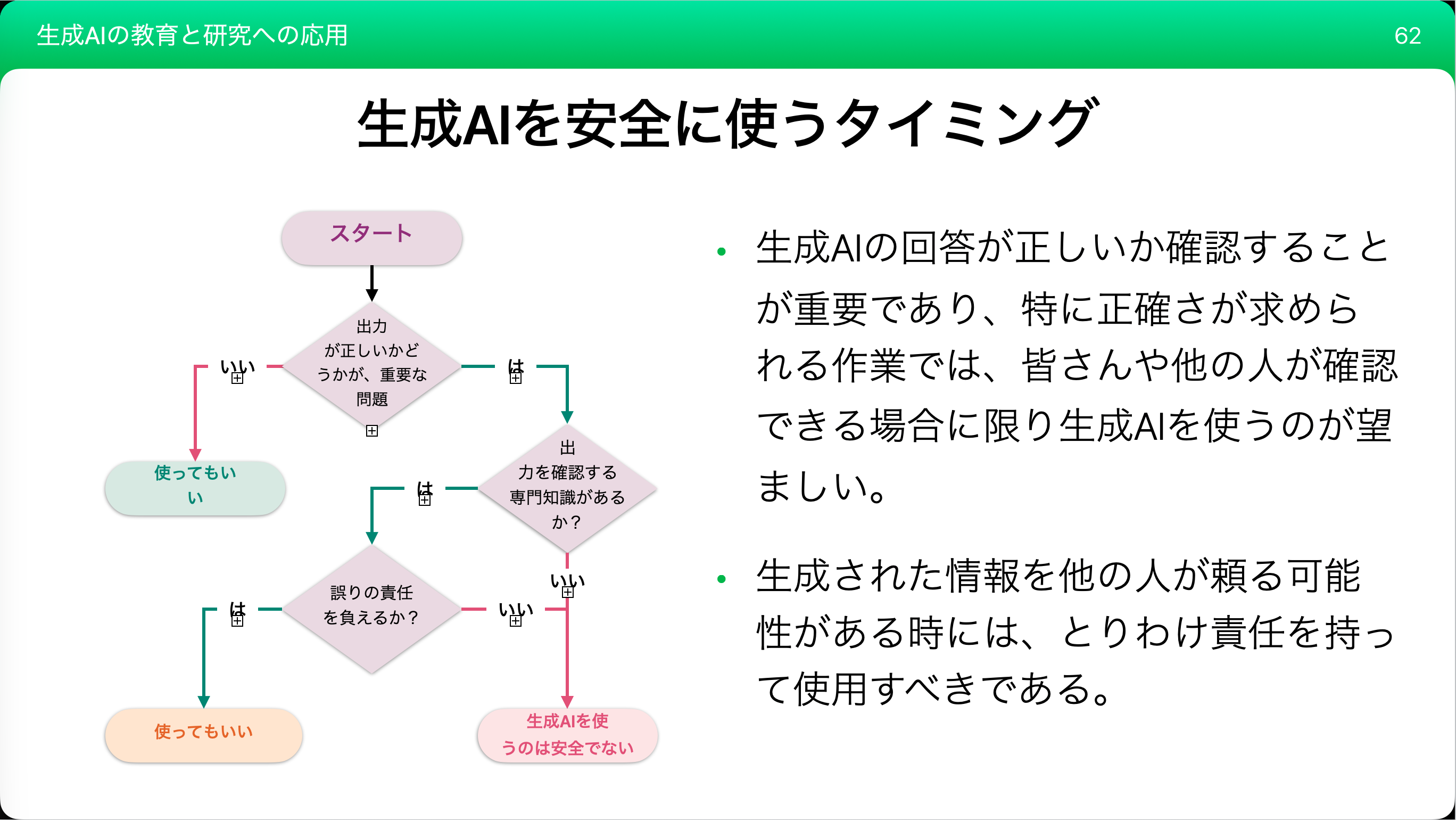
A decision flow replaces blanket rules with verification, responsibility, and attention to the stakes of the task.
Engagement Formats
| Format | Works best when | Participants leave with | Typical setting |
|---|---|---|---|
| Course One semester |
A programme needs sustained learning: time to practise, reflect, receive feedback, and revise. | Documented work, reflection, and a record of developing judgment. | Credit-bearing undergraduate or graduate course. |
| Workshop 90 minutes - half day |
A specific teaching problem needs to be worked on, not merely discussed. | A tested activity, revised class component, or implementation plan. | Faculty meeting, CTL programme, department workshop. |
| Seminar 45-90 minutes |
A group needs shared language and structured discussion around a question or theme. | A framework, prompted questions, and directions for further work. | Graduate programme, reading group, professional-learning event. |
| Presentation 30-60 minutes |
An institution needs a focused expert perspective, evidence, and a clear provocation. | A concise argument, examples, and a moderated Q&A. | Conference, public lecture, staff-development day. |
| Series / Pre-FD Two or more sessions |
People need to try an idea, return to it, and improve their practice over time. | A draft, rehearsal, feedback, and a revised version. | Pre-FD or staff-development cohort. |
Areas of Expertise
What Participants Produce
Facilitation Approach
I learned this approach while working with real constraints: multilingual groups, nervous first-time teachers, faculty redesigning courses, and students planning international space projects. The subject changes; the need for clear structure and room to think does not.
I combine short input with templates, discussion, rehearsal, and feedback. In the Ritsumeikan Space Management Program, for example, students used communication styles, leadership observation, and presentation practice to work across institutional and cultural differences.
Evidence in Practice
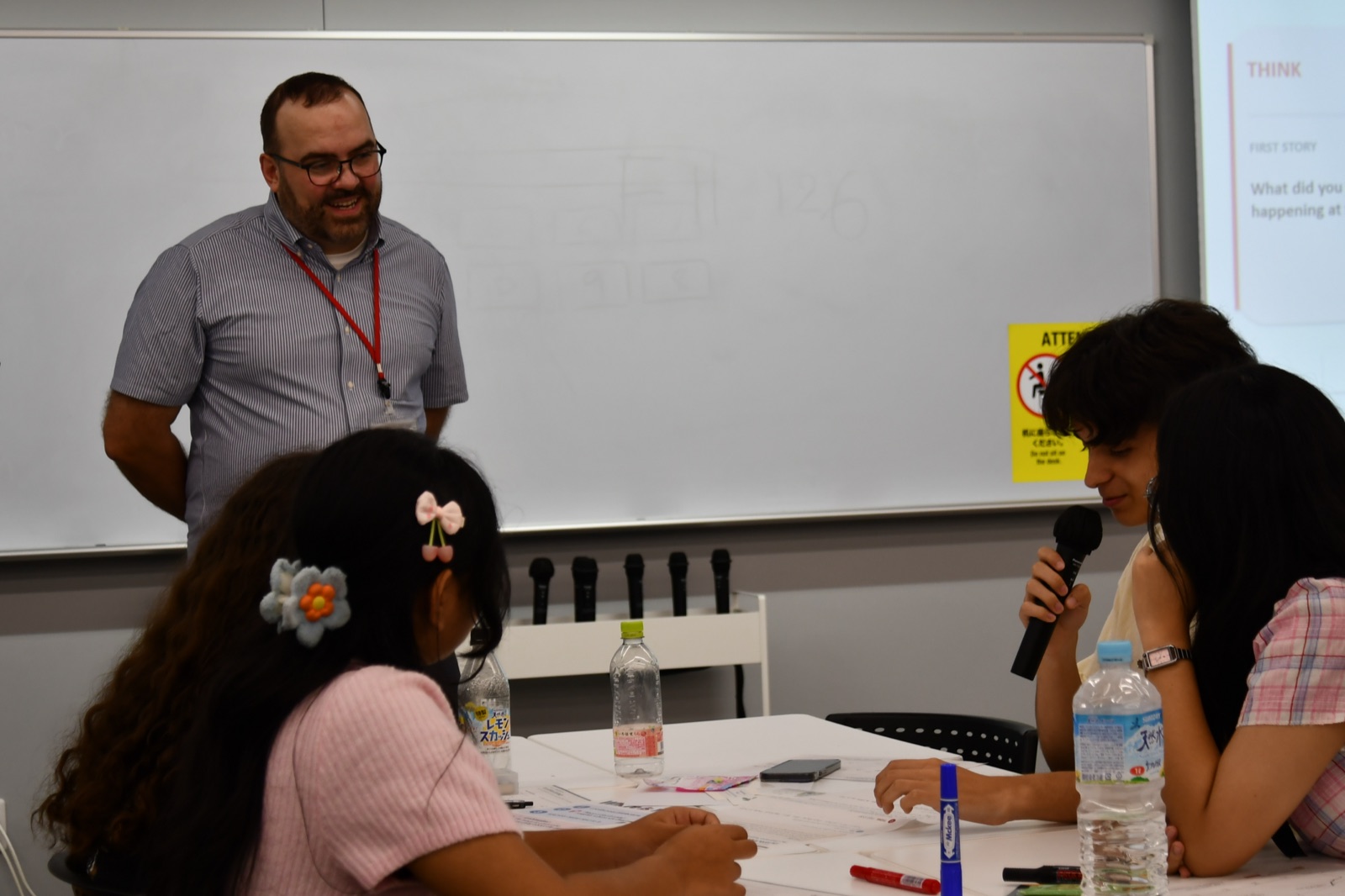 AFS × APU Overnight Programme · 11 Oct 2026
I led an interactive session in which international AFS participants used everyday scenarios to question first impressions and explore how the same behaviour can be interpreted in different ways.
Sessions addressed teaching in English, intercultural communication, syllabus design, and preparing for generative AI in the classroom.
A university course connecting critical game analysis, social context, media literacy, and industry-like creative tasks received a 4.58/5 overall student-survey score.
Mixed Ritsumeikan and APU cohorts worked on leadership, communication styles, presentations, feedback, and international collaboration around space-sector challenges.
A pre-competition guest speaker session helped student teams turn early ideas into clearer narratives, stronger pitch decks, and presentations that connect with an audience.
ご依頼いただける形式
| 形式 | 適している場面 | 持ち帰るもの | 主な場 |
|---|---|---|---|
| 授業 1学期 | 試し、振り返り、フィードバックを受け、改善するための継続した学びが必要なとき。 | 記録された成果物、振り返り、自らの判断が育つ過程。 | 単位認定の学部・大学院授業。 |
| ワークショップ 90分〜半日 | 特定の教育課題を、話すだけでなく実際に検討したいとき。 | 試行済みの活動、改善した授業要素、または実施計画。 | 教職員会議、教育開発センターのプログラム、学部ワークショップ。 |
| セミナー 45〜90分 | 問い・テーマを共有し、構造化された対話を行いたいとき。 | 考えるための枠組み、問い、次の探究の方向。 | 大学院プログラム、読書会、専門職学習イベント。 |
| 講演 30〜60分 | 専門的な視点、根拠、明確な問題提起が必要なとき。 | 簡潔な論点、事例、質疑応答。 | 学会、公開講演、教職員研修日。 |
| シリーズ/Pre-FD 2回以上 | アイデアを試し、持ち帰り、時間をかけて実践を改善したいとき。 | 草案、リハーサル、フィードバック、改善版。 | Pre-FDまたは教職員研修コホート。 |
専門領域
参加者がつくるもの
ファシリテーションの考え方
多言語のグループ、初めて教える人の不安、授業を再設計する教員、国際的な宇宙プロジェクトに取り組む学生など、現実の制約とともに働く中で、この進め方を学びました。テーマは変わっても、明確な構造と考える余白は欠かせません。
短いインプットに、テンプレート、対話、リハーサル、フィードバックを組み合わせます。立命館スペースマネジメントプログラムでは、コミュニケーション・スタイル、リーダーシップの観察、プレゼンテーション練習を用いて、制度と文化の違いを越えた協働を支えています。
実践における根拠
AFS × APU Overnight Programme・2026年10月11日各国から集まったAFS参加者と、日常の場面を手がかりに第一印象を問い直し、同じ行動が異なる形で受け取られる理由を考える参加型セッションを行いました。
英語で教えること、異文化コミュニケーション、シラバス設計、教室における生成AIへの備えを扱いました。
批判的ゲーム分析、社会的文脈、メディア・リテラシー、創造的な実務型課題を結ぶ授業は、学生アンケート総合4.58/5を得ました。
立命館大学とAPUの混成コホートが、宇宙分野の課題を題材に、リーダーシップ、コミュニケーション・スタイル、プレゼンテーション、フィードバック、国際協働に取り組みました。
事前のゲストスピーカー・セッションで、学生チームが初期のアイデアを分かりやすい物語、強いピッチ資料、聞き手に届く発表へ整える支援をしました。
Formaty współpracy
| Format | Najlepiej działa, gdy | Rezultat dla uczestników | Typowy kontekst |
|---|---|---|---|
| Kurs Jeden semestr |
Program potrzebuje dłuższego procesu uczenia się: czasu na próbę, refleksję, informację zwrotną i poprawę. | Udokumentowana praca, refleksja i zapis rozwijającego się osądu. | Punktowany kurs licencjacki albo magisterski. |
| Warsztat 90 minut – pół dnia |
Trzeba przepracować konkretny problem dydaktyczny, a nie tylko o nim porozmawiać. | Przetestowana aktywność, poprawiony element zajęć albo plan wdrożenia. | Spotkanie kadry, program CTL, warsztat dla katedry. |
| Seminarium 45–90 minut |
Grupa potrzebuje wspólnego języka i ustrukturyzowanej rozmowy wokół pytania albo tematu. | Ramy myślenia, pytania do dalszej pracy i kierunki rozwoju. | Program dla doktorantów, grupa czytelnicza, wydarzenie rozwojowe. |
| Prezentacja 30–60 minut |
Instytucja potrzebuje skoncentrowanej perspektywy eksperckiej, dowodów i wyraźnej tezy. | Zwięzła argumentacja, przykłady i moderowana sesja pytań i odpowiedzi. | Konferencja, wykład otwarty, dzień rozwoju kadry. |
| Seria / Pre-FD Dwie lub więcej sesji |
Trzeba wypróbować pomysł, wrócić do niego i ulepszać praktykę w czasie. | Szkic, próba, informacja zwrotna i poprawiona wersja. | Grupa Pre-FD albo program rozwoju dydaktycznego kadry. |
Obszary ekspertyzy
Co tworzą uczestnicy
Podejście do facylitacji
Tego podejścia nauczyłem się, pracując z prawdziwymi ograniczeniami: wielojęzycznymi grupami, zestresowanymi początkującymi nauczycielami, kadrą przebudowującą kursy i studentami planującymi międzynarodowe projekty kosmiczne. Temat się zmienia; potrzeba jasnej struktury i przestrzeni do myślenia pozostaje.
Łączę krótkie wprowadzenie z szablonami, rozmową, próbą i informacją zwrotną. W Ritsumeikan Space Management Program studenci wykorzystywali style komunikacji, obserwację przywództwa i ćwiczenie prezentacji, aby współpracować mimo różnic instytucjonalnych i kulturowych.
Dowody w praktyce
AFS × APU Overnight Programme · 11 października 2026
Poprowadziłem interaktywną sesję, podczas której uczestnicy AFS z różnych krajów analizowali codzienne sytuacje, kwestionowali pierwsze wrażenia i sprawdzali, jak różnie można odczytać to samo zachowanie.
Sesje dotyczyły nauczania po angielsku, komunikacji międzykulturowej, projektowania sylabusa i przygotowania do generatywnej AI w klasie.
Kurs łączył krytyczną analizę gier, kontekst społeczny, kompetencje medialne i zadania kreatywne zbliżone do pracy w branży; otrzymał średnią 4,58/5 w ankiecie studentów.
Mieszane grupy Ritsumeikan i APU pracowały nad przywództwem, stylami komunikacji, prezentacjami, informacją zwrotną i międzynarodową współpracą wokół wyzwań sektora kosmicznego.
Przedkonkursowa sesja gościnna pomogła zespołom studenckim zamienić wczesne pomysły w czytelniejsze narracje, lepsze prezentacje projektowe i wystąpienia, które trafiają do publiczności.
Try the method
This is a compact version of the framework I use in class-design and Pre-FD workshops. Choose a real classroom problem, then shape one workable response through purpose, task, time, grouping, and a visible product.
02
Each choice is small. Together, they make the activity legible to you and to the people taking part.
03
Working activity
Inside the room
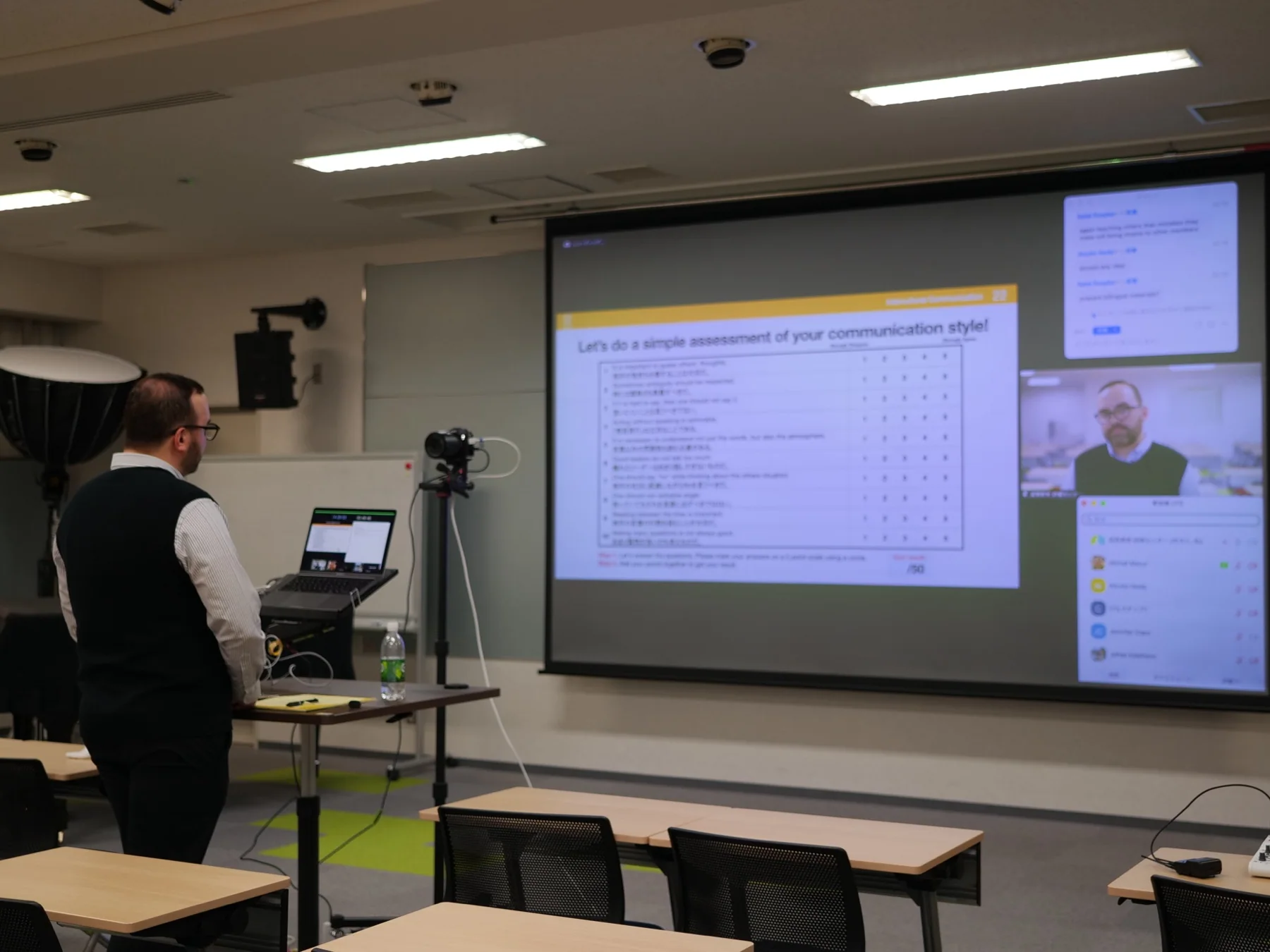
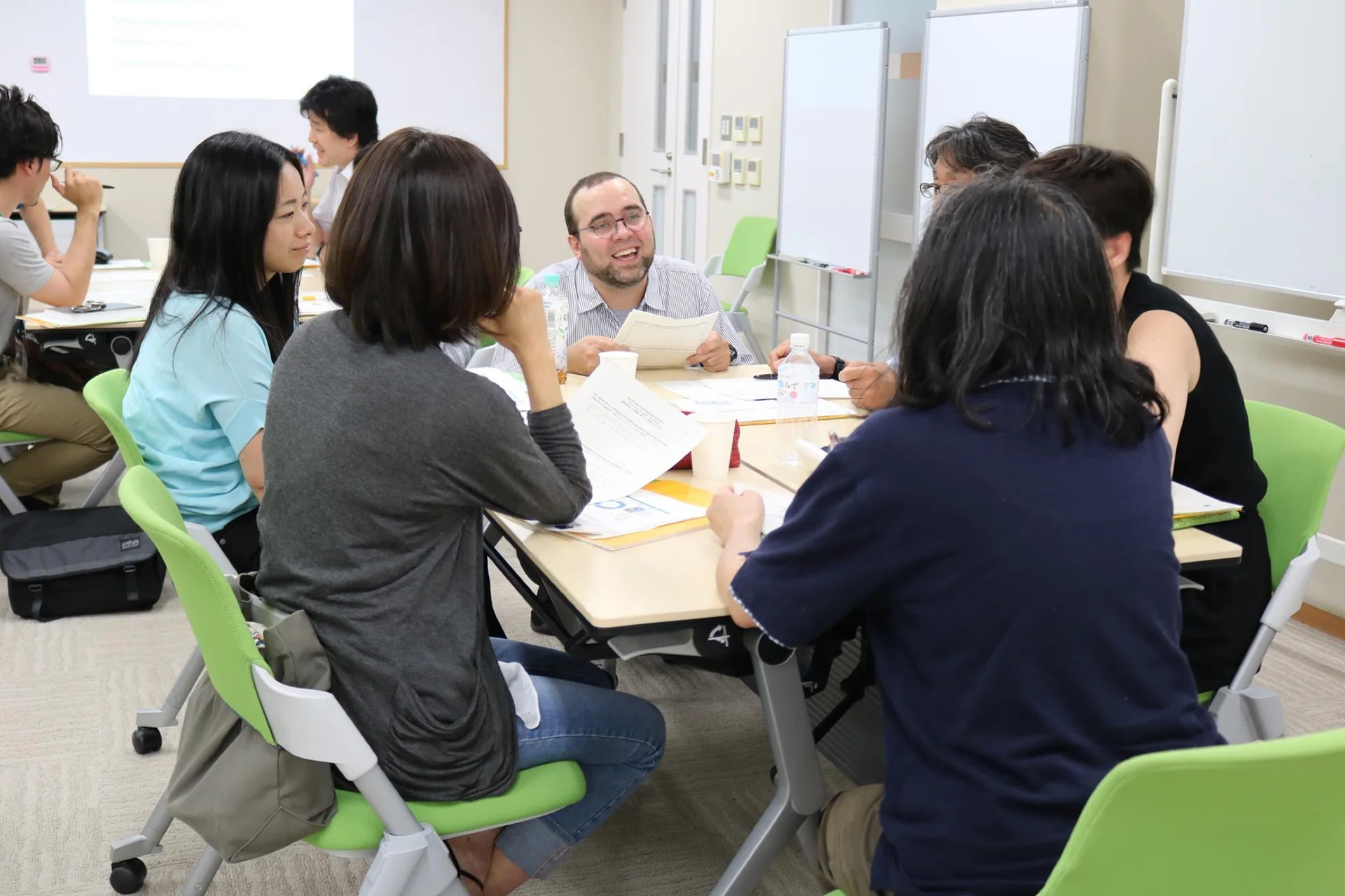
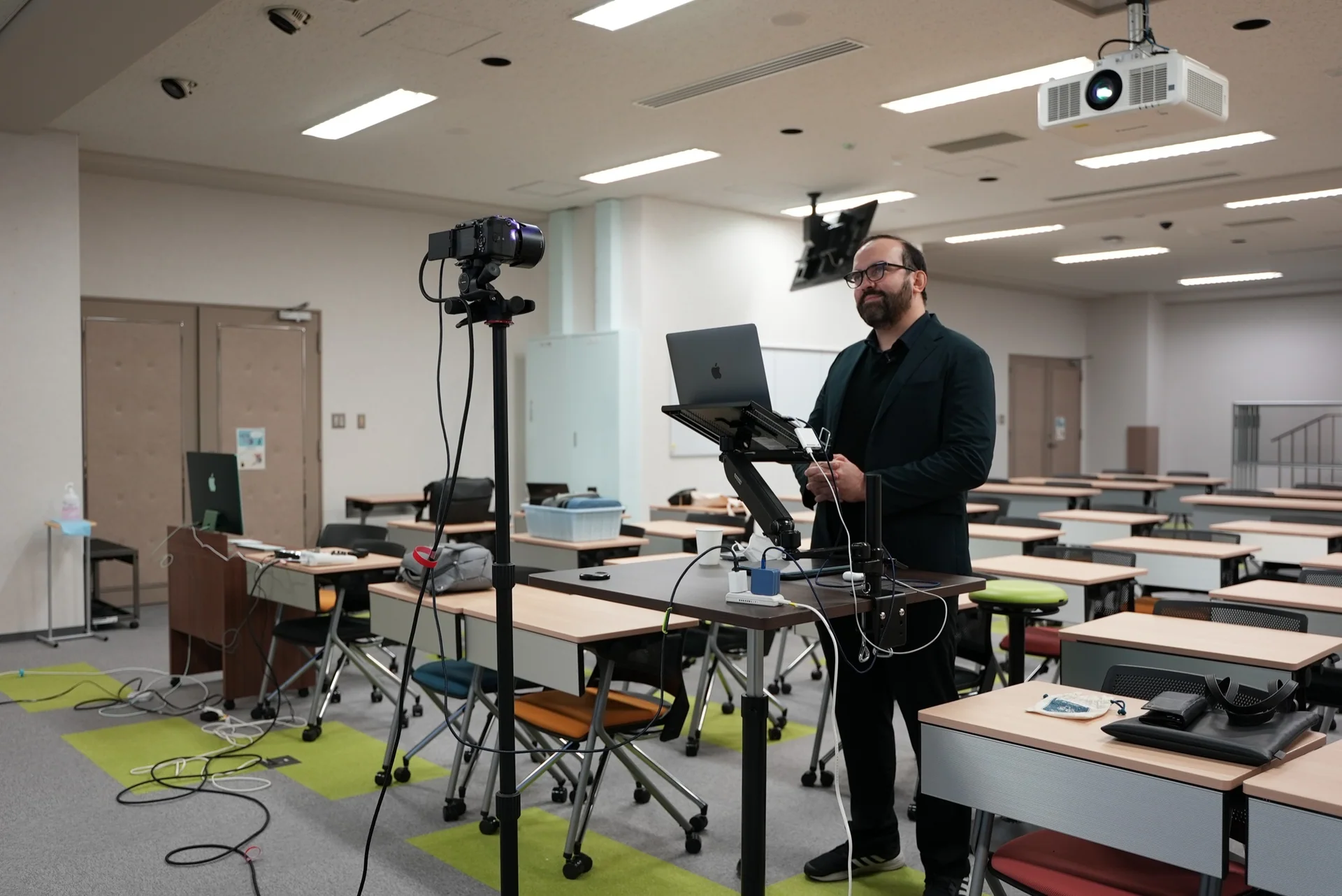
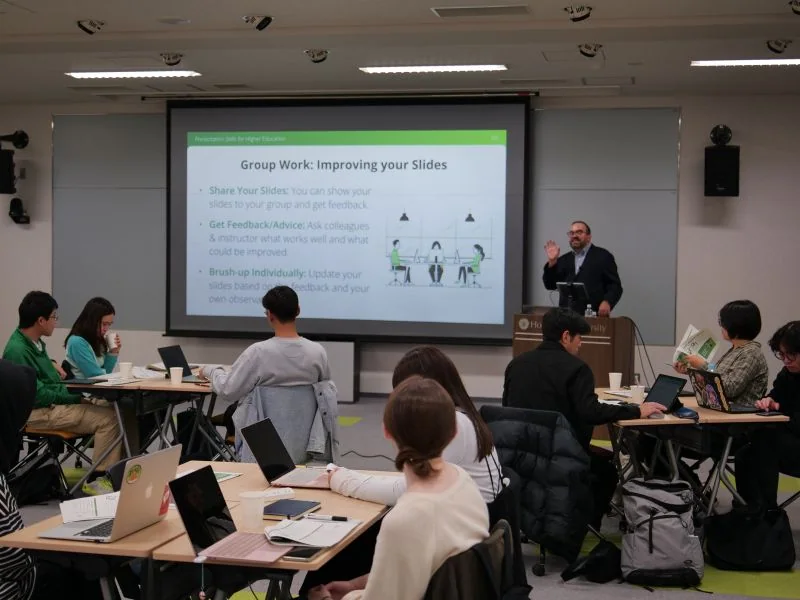
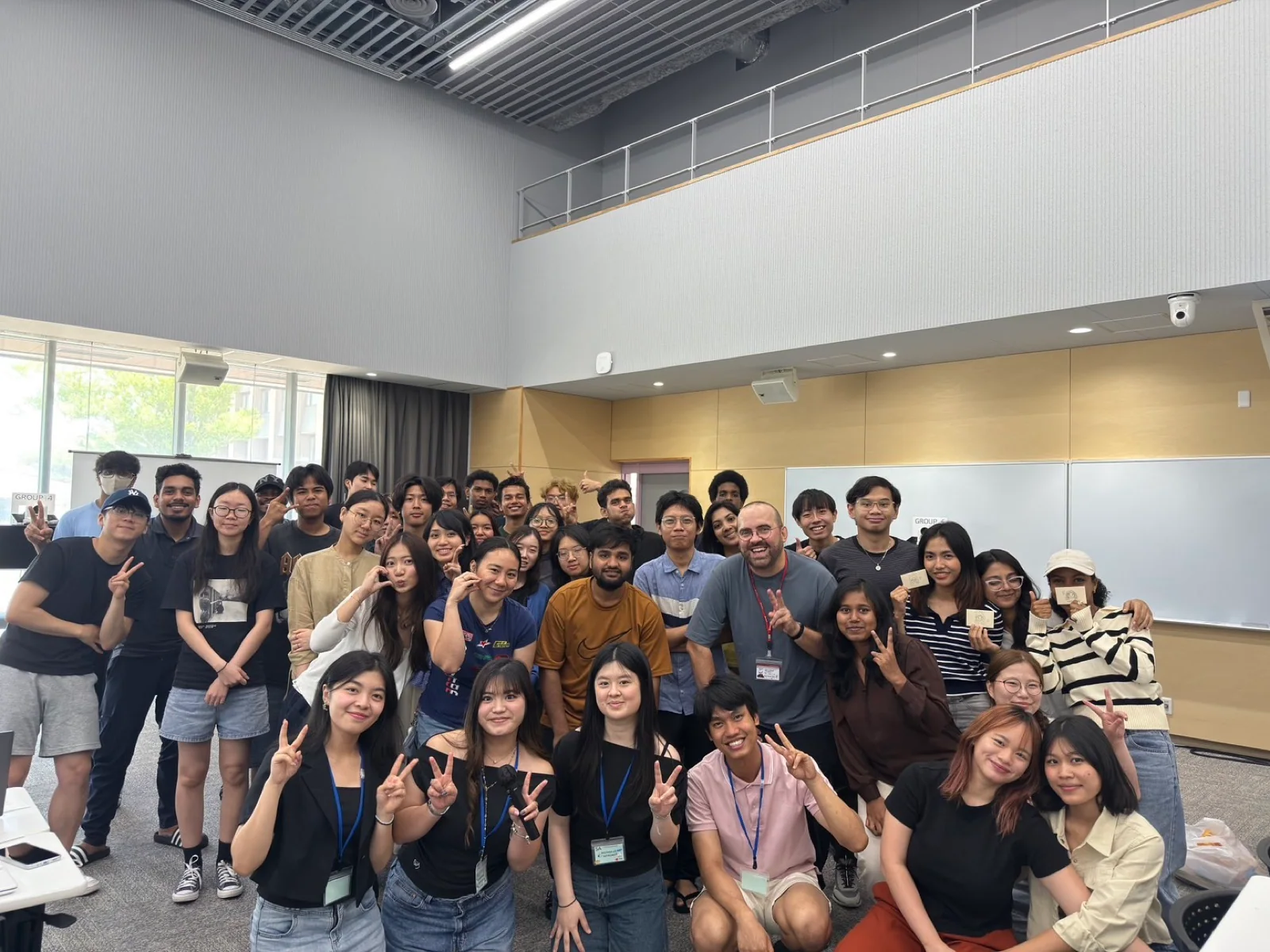
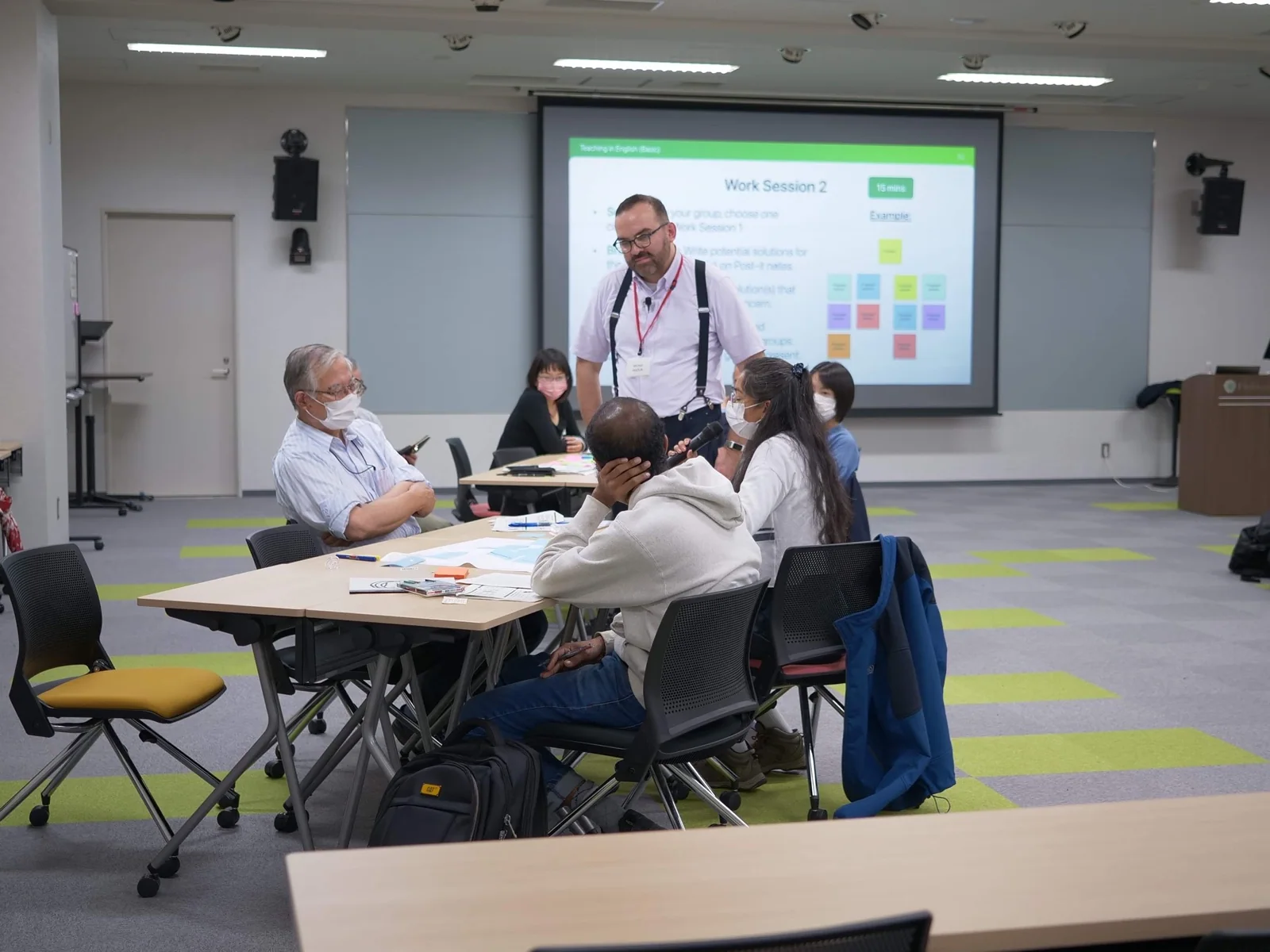
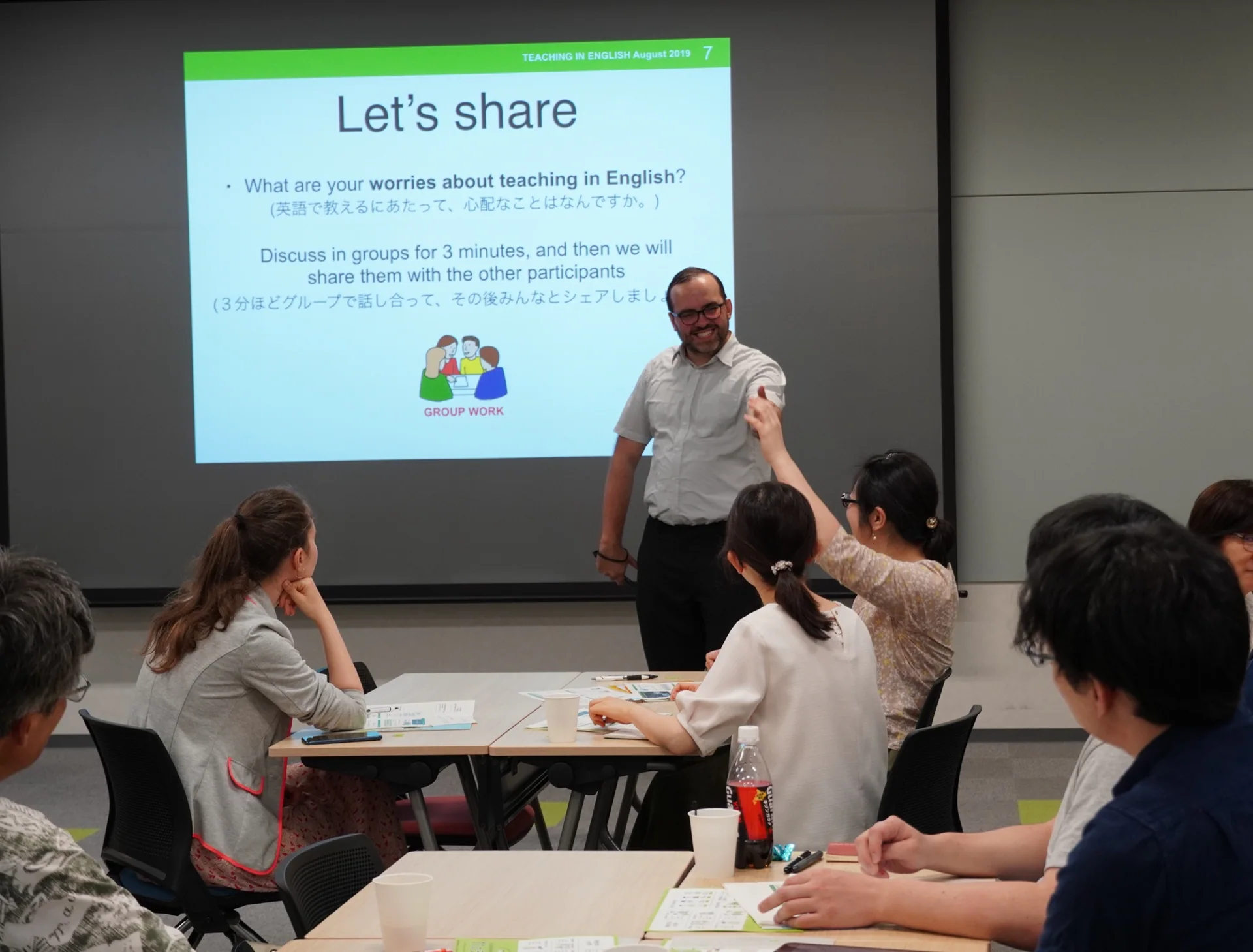
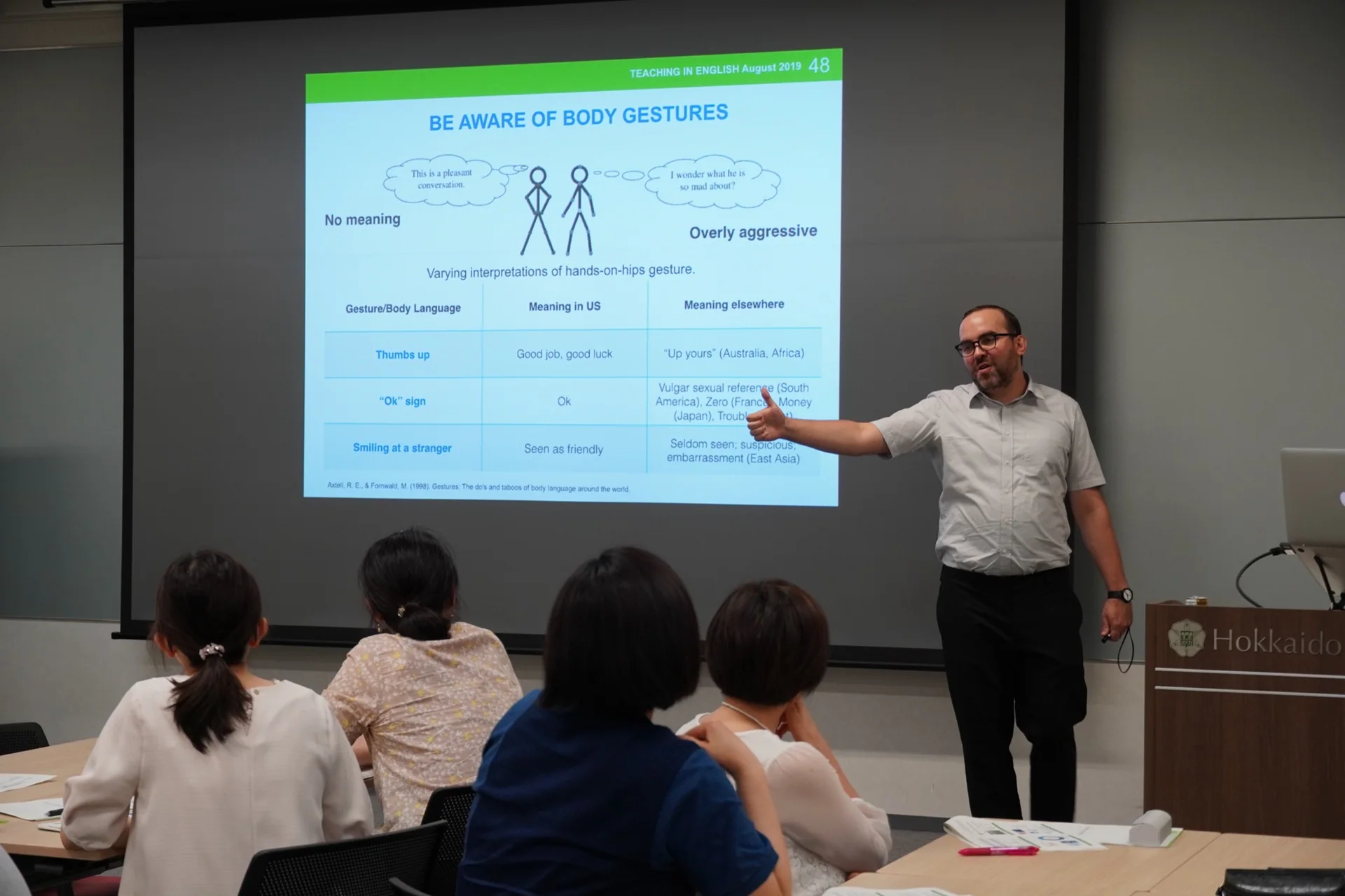
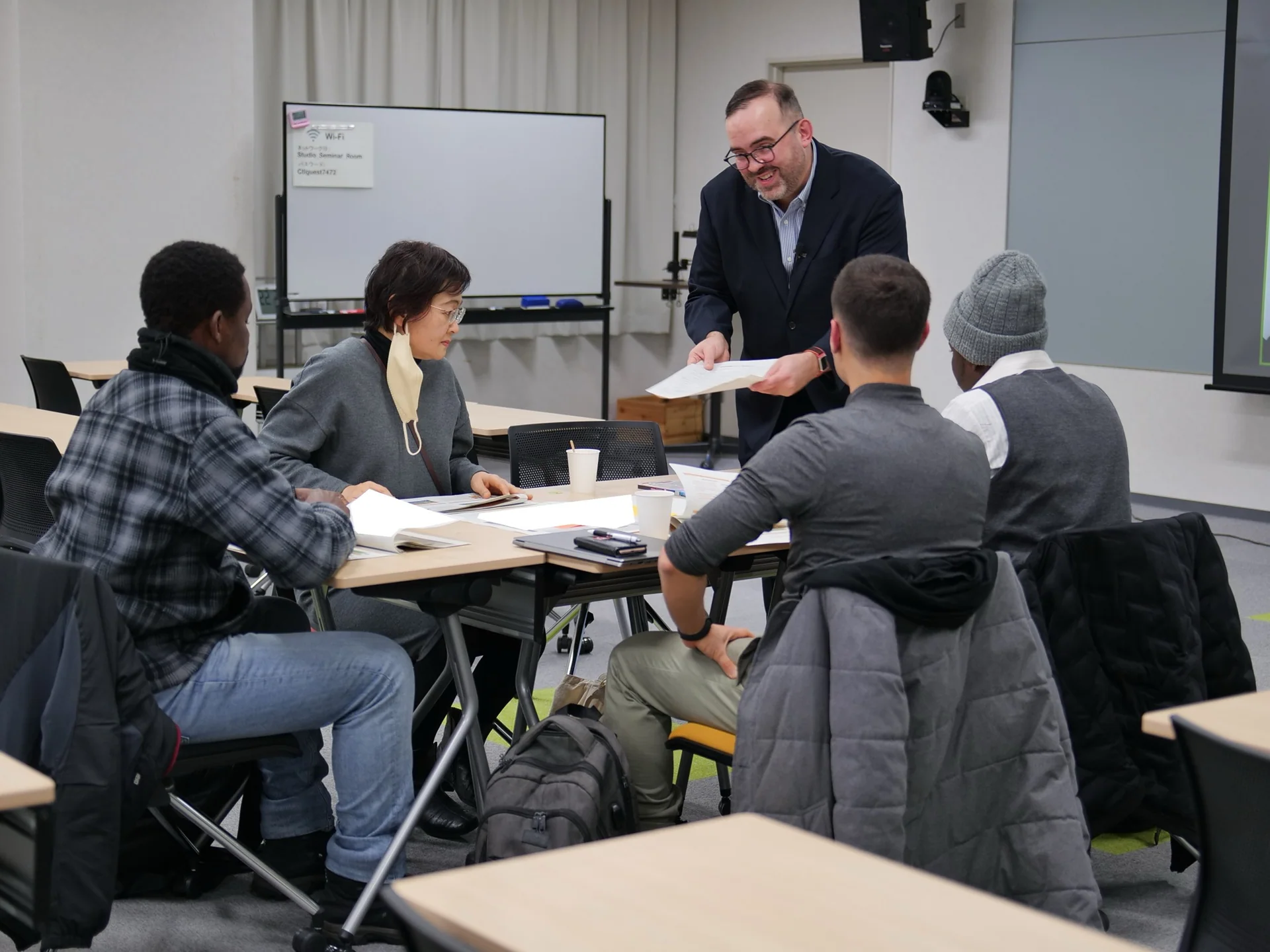
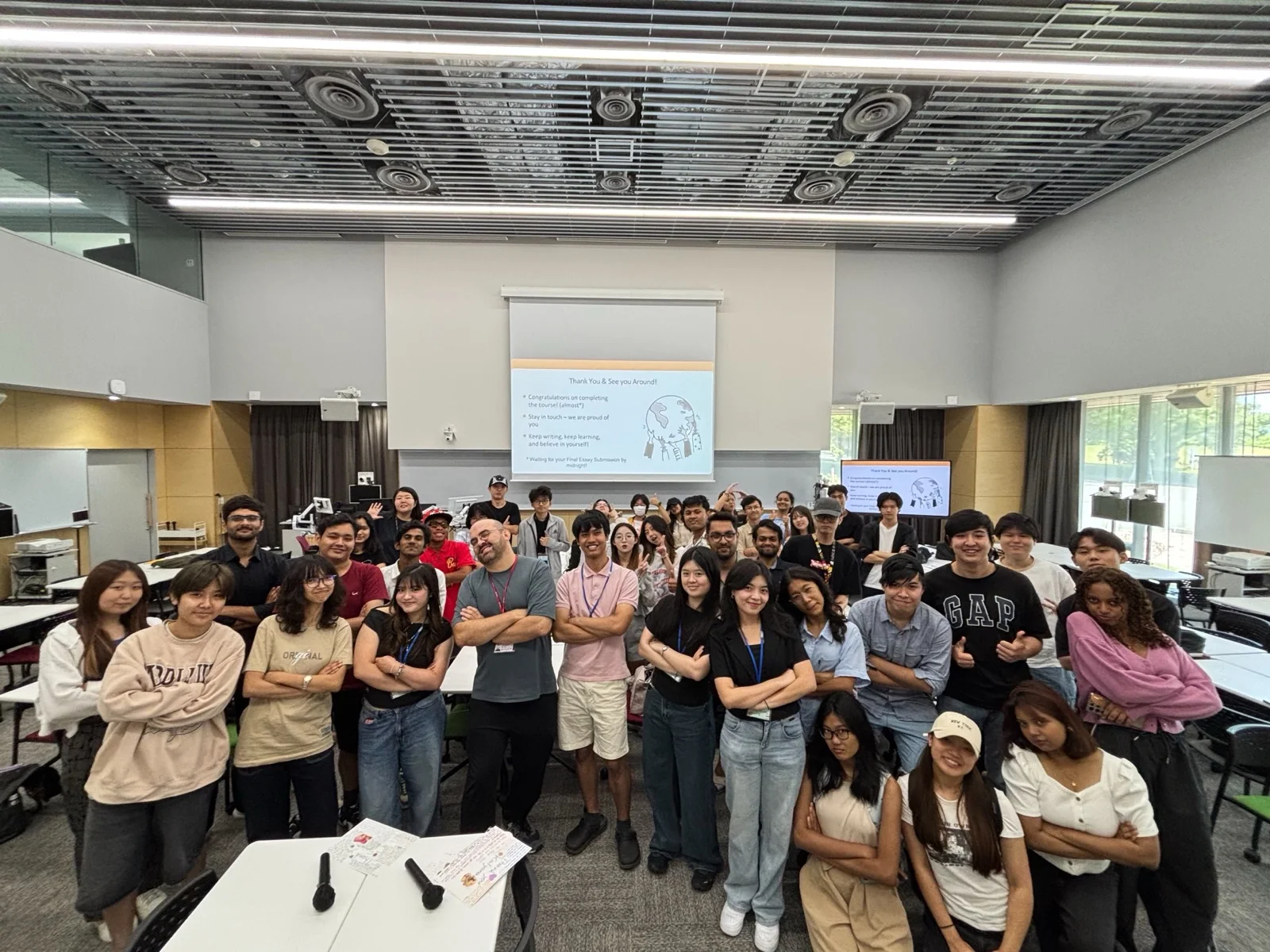
Photographs from classes, workshops, and facilitated sessions.
Collaboration
I can adapt the topic, examples, timing, and participant outputs to your programme, teaching context, and audience.
Download the two-page workshop brief